
Employer Leverages Mobile Technology to Launch New Certification Program
Mobile technology is a key component in a new certification program for Vivint’s field service professionals and in the company’s ability to train them at a faster rate.



Practical HR Tips, News & Advice. Updated Daily.
Mobile technology is a key component in a new certification program for Vivint’s field service professionals and in the company’s ability to train them at a faster rate.

Yesterday’s Advisor discussed real-world case studies to show just how much a lack of safety training can cost employers. Today, we go over three more of those instances—so ensure your training programs are in order!
Following safety regulations isn’t just the right thing to do—it keeps employers on the right side of Occupational Safety and Health Administration (OSHA) enforcement. And it saves money by avoiding fines, legal fees, and more. OSHA loves to cite a lack of training, and these case studies showcase just how expensive an ineffective (or nonexistent) […]

Yesterday’s Advisor presented an infographic highlighting the Occupational Safety and Health Administration’s (OSHA) top 10 common citations—and how many of them are related to a lack of training. Today, we provide 10 steps to a successful safety program.

Do you know how to avoid the most common pitfalls in the Occupational Safety and Health Administration (OSHA) compliance—the Top 10 Most Frequently Cited Standards? The first step is proper training

There’s the nose-to-the-grindstone worker, the social butterfly, and the visionary. Every office has a mix of personalities, and getting along with everyone is not easy. Today, we have some tips for keeping your departmental teams working together in harmony.
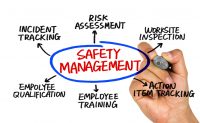
Safety training is of the utmost importance—in many situations, it can literally be a life or death matter. With so much on the line, it’s important to get your message across effectively, and a new video-on-demand library from Safety.BLR.com® is a powerful classroom tool.

As most employers are well aware, OSHA stands for the Occupational Safety and Health Administration. In general, OSHA regulations require that employers maintain a workplace that is free of recognized safety hazards, and do not discriminate or retaliate against anyone who reports injuries or illnesses. Are those in charge of safety at your company well-trained […]

A new study is indicating that career growth is a top motivating factor of employees who seek greener pastures at other organizations—more so than money. Are your training and development opportunities structured to maximize retention?

Yesterday’s Advisor presented safety training tips for preventing amputations in the workplace. Today, we cover another much more common safety hazard that can be mitigated through proper training: slips, trips, and falls.