




My personal feelings about FIFA aside, it’s hard not to conclude that the 2026 World Cup was an absolute success. Whether it was foreigners discovering the beauty of the Americas (including our love of giant gas stations and ranch dressing), the Tartan Army of Scotland drinking Boston dry, or the Norwegians showing the proper form in rowing, our divided country, if not the world, came together in unity these past seven weeks to celebrate the “beautiful game.” Even off the pitch, our workplaces were transformed, with employees proudly supporting their countries of origin. For many organizations, that enthusiasm was a positive source of engagement. But because the World Cup is built around national identity, it also presented workplace risks that employers should not have overlooked.
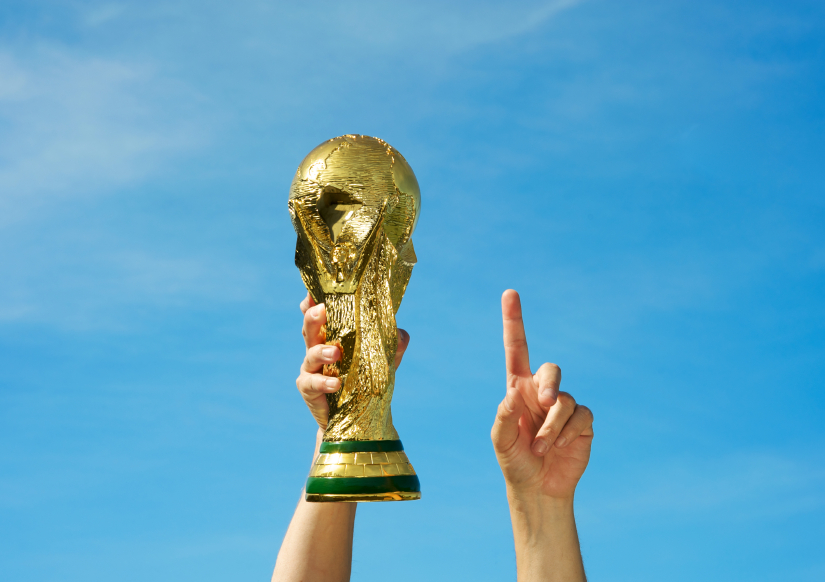
Most World Cup-related discussions were harmless. Employees wore jerseys supporting their favorite countries, debated match results, and engaged in good-natured trash talk. Comments such as “it’s not coming home” (sorry, England) or “nothing tastes better than Argentinian tears” were generally part of the fun that accompanies international competition.
The challenge is that World Cup conversations, or any competition involving the world, can sometimes evolve beyond sports. Unlike most major sporting events, the World Cup is not organized around cities, schools, or professional franchises. The teams represent countries. As a result, discussions that begin with a team can quickly shift to the people associated with that country, including coworkers. Criticism of a national team’s play is one thing; repeated comments directed at an employee because of their nationality, accent, or perceived immigration status are something entirely different. Remarks about a coworker’s country, culture, or heritage may be intended as jokes but can nevertheless be perceived as offensive or discriminatory.
This risk is heightened because international sporting events often trigger broader discussions about immigration, politics, cultural stereotypes, and international relations. Employees may identify strongly with a particular country because they were born there, have family there, or consider it an important part of their heritage. As emotions surrounding the tournament increase, so too can the likelihood that comments cross professional boundaries.
Title VII of the Civil Rights Act prohibits discrimination and harassment based on national origin. While the law does not prohibit employees from supporting different teams or engaging in friendly sports-related discussions, it does require employers to address workplace conduct that targets employees because of their national origin or contributes to a hostile work environment. A supervisor who participates in or ignores inappropriate comments may unintentionally signal that such conduct is acceptable. As with any workplace issue, context matters. A single comment may not create legal liability, but repeated conduct, particularly after concerns are raised, can create significant risk.
Managers should be particularly mindful during high-profile international events. Soccer competitions between nations take place every summer. The United States is hosting the Summer Olympics in two years and the Women’s World Cup in 2031. Fortunately, employers do not need to nor should not discourage enthusiasm for the tournament. Instead, they should use the World Cup as an opportunity to reinforce expectations regarding professionalism and respect. Managers should be reminded to model appropriate behavior, and employers should be prepared to address complaints promptly and consistently.
The World Cup is designed to bring people together through a shared love of sport. With a little foresight, employers can help ensure that workplace conversations remain focused on the action on the pitch rather than becoming an avoidable Title VII issue.