



Colorado employers should review their Form I-9 and employment eligibility verification procedures following the enactment of House Bill (HB) 26-1283. The new law became effective on June 3, 2026, and added new restrictions on an employer’s possession and retention of government-issued identification documents.
What the Law Says
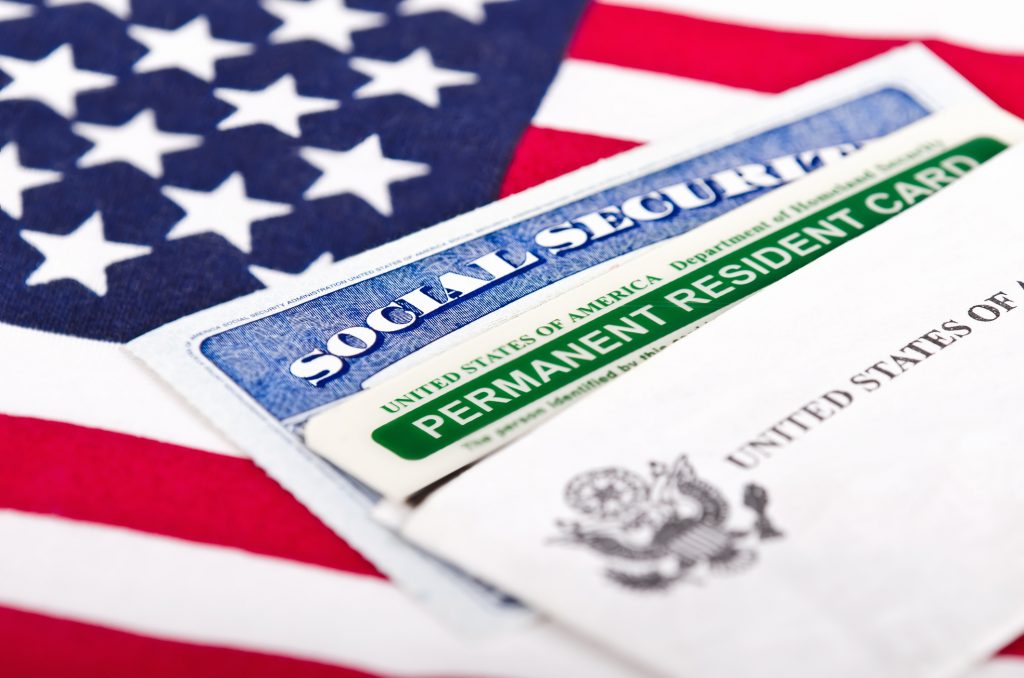
The new law, codified at C.R.S. § 8-2-124.5, generally prohibits an employer or its agent from demanding, confiscating, retaining, or otherwise requiring an employee, applicant, or other individual performing or seeking work to surrender a government-issued identification card. The law does, however, recognize the practical need for employers to review identification documents when completing Form I-9.
You may request and temporarily possess a government-issued identification card for purposes of verifying employment eligibility on Form I-9 or a successor form. If you take possession of an original identification card, you may retain the original only as long as necessary to complete the verification and make a permitted copy, and never for more than 10 hours. You may retain a copy of the document in your employment records.
The law also permits retention of an identification document when otherwise required or permitted by state or federal law or regulation, or under a signed judicial warrant.
New Written Notice Requirement
Of particular importance for routine hiring practices, Colorado employers must now provide a written notice when verifying an individual’s employment eligibility. The notice must inform the individual of the law’s restrictions on an employer’s possession and retention of government-issued identification cards.
The notice must be provided in English and, if you know the individual’s primary language is not English, in their primary language as well. You must also obtain an acknowledgment from the individual and retain a record of the notice and acknowledgment in their employment records.
You should therefore incorporate the notice into your onboarding and Form I-9 procedures and should consider using the same process whenever a required Form I-9 reverification occurs.
What Employers Should Do Now
Colorado employers should review your onboarding and reverification procedures to confirm that:
- Originals of government-issued identification cards are returned promptly after review and any permitted copying;
- No original identification card is retained longer than necessary or, in any event, longer than 10 hours;
- The required written notice is provided as part of the employment eligibility verification process;
- Translated notices are provided when an employee’s non-English primary language is known; and
- You retain documentation showing the notice was provided and acknowledged.
You should also train HR personnel and other employees responsible for Form I-9 compliance so the new Colorado requirements are incorporated into existing federal verification procedures.
You may consider using a notice that addresses the statutory requirements. Because legal requirements can change and may vary based on a company’s circumstances, you shouldn’t rely solely on artificial intelligence-generated content or information found online. The notice should be reviewed by legal counsel and tailored to your specific needs.
Colorado employers that haven’t already updated your Form I-9 procedures should do so promptly. Employers with questions regarding HB 26-1283, employment eligibility verification, or implementation of the required notice should consult with employment counsel.
Lindsay Rose is a Colorado Springs–based business attorney who focuses her practice on employment law and contract law primarily in the construction industry. With a background spanning litigation, trial work, corporate counsel, and public sector service, Lindsay delivers practical, solutions-driven guidance to help employers and businesses minimize legal risk while maximizing operational and financial success. She can be reached at lrose@fennemorelaw.com.