




When Laila Gillies joined Hiscox USA, she was looking for a foot in the door. Instead, the company handed her a launchpad.
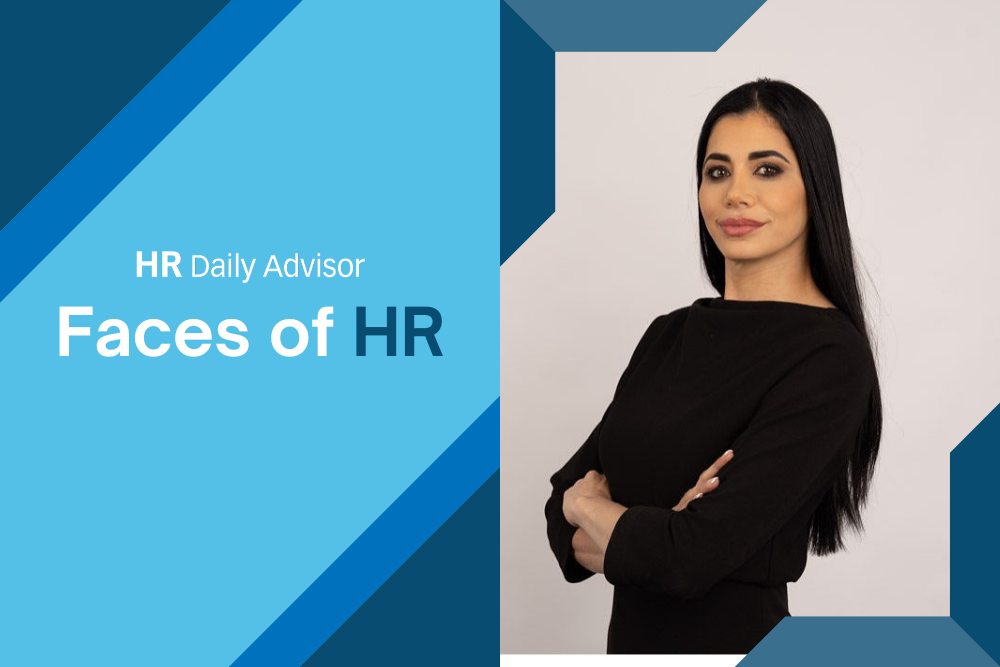
Today, as Head of Human Resources at Hiscox USA, Gillies serves as a key strategic partner to the business, aligning people strategy with commercial growth, performance, and long-term organizational success. With nearly two decades of industry experience under her belt, she has built a reputation for steering companies through complex shifts, boosting bottom-line results, and championing a workplace culture where every individual’s contribution is valued and celebrated.
Trial by Fire in 2008
Her path to the top began in the high-stakes environment of the 2008 financial collapse.
“My HR career began in an unexpected way,” Gillies recalls. While providing administrative support to a company president, she gradually took over on-site personnel duties from an outsourced vendor. Because of the economic downturn, her earliest assignments meant managing layoffs. It was a tough initiation, but it taught her early on just how personal and high-impact HR work truly is.
The Opportunity That Changed Everything
Seeking her next step, Gillies approached Hiscox USA for a hybrid role supporting both the president and the HR department, making it clear she was eager to grow her human resources skill set. Hiscox USA saw something special. Rather than giving her the dual role, the company hired an executive assistant for the executive and created a brand-new, full-time HR position just for Gillies.
That single decision changed the trajectory of her career. Joining during an era of business expansion gave her room to explore various facets of the field, building her expertise from the ground up while cementing her confidence as a rising leader.
“That decision had a major impact on me, instilling confidence in my potential as a leader and industry professional,” Gillies says. “I’ve never forgotten what it means when someone takes a chance on you.”
Leading the Industry Forward
Now a recognized industry voice, Gillies actively contributes to the broader HR community as a speaker and thought leader on organizational change, leadership development, and HR transformation. A degree holder in human resources management, she stays connected through her memberships with the Society for Human Resource Management (SHRM), the Human Resources Certification Institute (HRCI), and Evanta’s Atlanta CHRO Governing Body—using her platform to pay forward the same investment that shaped her own journey.
“The strongest HR leaders are commercially minded and value led,” Gillies shared with HR Daily Advisor. “They understand the realities of the business, but they’re also clear about what they believe in and the kind of employee experience they want to create. This balance matters now more than ever because companies are navigating change at speed. HR has a real opportunity to help leaders move with both discipline and integrity.”
Who is/was your biggest influence in the industry?
Two people have molded me into the leader and person I am today. The first was my father. As a U.S. immigrant, he had to work extra hard to make a name for himself. With resilience, grit, and a strong work ethic, he built a successful business and a good life for our family. He taught me the importance of moving forward, even when the path is uncertain.
The second was an HR mentor who was the most commercially minded leader I’ve ever worked with in my career. She showed me that great HR leadership isn’t just about supporting people well; it also requires judgment, credibility, and business acumen to make a real impact.
What’s your best mistake and what did you learn from it?
My best mistake happened during my first global transformation of our HR operating model. I’d moved from an individual contributor role, where success was determined by my output, into a leadership position with much broader responsibility.
Instead of fully stepping into that new role, I held on to what I knew, leaning in to configure the systems, build the change plan, and create the project roadmap. It was exhausting. Worse, I was holding myself back and missing the point of what leadership requires.
Leadership is not about being the expert in every detail. It’s about setting a clear vision, communicating well, trusting the experts around you, and helping everyone succeed together. Learning that lesson enabled me to adopt a team-oriented mindset focused on collaboration, orchestration, and empowerment.
What’s your favorite part about working in the industry? What’s your least favorite part, and how would you change it?
My favorite part is the transformation and strategy work. I enjoy helping an organization think clearly about where it’s headed, what kind of leadership and capabilities it’ll need, and how to bring people along through that change. It’s the part that feels most natural to me because it sits at the intersection of business direction, organizational design, and people impact.
Working in HR for the small business insurance industry is especially rewarding. Entrepreneurs and small business owners fuel our country’s economy, and I find real meaning in supporting and protecting them as they grow and scale the businesses they’ve worked so hard to build.
My least favorite part is when HR is treated as an administrative or reactive function. Organizations that engage HR early and intentionally are more likely to achieve outcomes that are commercially sound and sustainable for both the business and its people.
It sounds like through your experience you really care about people, and you want to help them feel safe and comfortable, which is important in the industry. Please elaborate here.
Helping people feel safe and respected at work is one of my biggest priorities. It stems from beginning my career during the financial crisis. That experience showed me that HR is often present in the moments people remember the most – during times of uncertainty or moments they may not fully understand – so respect, clarity, and dignity matter.
Psychological safety helps employees feel heard and builds trust in an organization and its leaders. When people have trust, they’re more willing to raise concerns, share new ideas, and work through challenges productively. Creating this type of welcoming and open environment ultimately leads to better decisions, stronger performance, and a healthier culture.
One of the ways we make sure employees feel heard is by monitoring the employee experience through an annual engagement survey and regular pulse surveys across the employee lifecycle. Employees don’t just feel valued because you ask for feedback; they feel valued when organizations act on it.
For example, our previous hybrid working model focused on a weekly expectation for office attendance instead of aligning in-person time to the type of work being done. In response to employee feedback, we moved to an activity-based approach: employees come together in person for work that benefits from in-person collaboration, while work that can be done effectively from home is completed remotely.
By integrating a consistent, end-to-end listening strategy with workplace programs that foster a sense of community, incentivize hard work, and prioritize employee well-being, Hiscox USA ensures employees feel supported both in and out of the office. That has led to high engagement scores year after year and the Gold Level Cigna Healthy Workforce Designation four years in a row.
How can company leaders make HR a value within their organization?
Company leaders make HR valuable when they want a real partnership, not just support. This means bringing in HR early, welcoming challenges, and understanding that people decisions and business decisions are never separate. This approach strengthens the direction of the entire business, helping leaders think more strategically about change, organizational design,and the long-term impact of their choices.
Where do you see the industry heading in five years? Or are you seeing any current trends?
Over the next five years, HR will become even more central to how organizations navigate change, especially as technology continues to reshape work. One of the biggest shifts will be a sharper focus on workforce design. That means being clear on what work needs to be done, how it’s done, what skills matter most, and how roles and teams stay effective.
As with most industries, AI and automation will absolutely change the landscape. Organizations will need to determine which roles and tasks to automate, what should remain human-led, and how to redesign operating models. Most importantly, they will need to be clear and authentic in helping people adapt to change without losing trust along the way. The key is to leverage AI to gain a competitive advantage, not fear it. The future of HR lies in embracing new tools and technology and evolving in a way that is commercially smart, value-led, and sustainable for people.
What are you most proud of?
I am most proud of developing leaders. The most meaningful moments in HR are not always the visible ones. They are the quieter wins, when a leader grows in confidence, handles a tough situation better than they would have before, or leads with more clarity, empathy, and accountability.
I’ve always enjoyed helping others stretch into bigger roles and make better decisions because the ripple effect reaches far beyond one person. When you help one leader grow, the impact reaches their team, their peers, and the whole culture around them.
Do you have any advice for people entering the profession?
Stay open to learning broadly early in your career. One of the experiences that helped me the most was working at a growing company where I was exposed to all the HR specializations. It enabled me to gain a much clearer sense of how the function fits together and the areas where I felt most energized. That range is incredibly valuable when you’re starting out because it helps you build judgment – not just knowledge – and provides a solid foundation for whatever path you pursue next.
Develop business acumen as early as you can. The most effective HR leaders are the ones who have a deep understanding of a business and can connect people decisions to real business outcomes.
Build trust through strong relationships. How you handle difficult situations, how well you listen, and how consistently you act with integrity will shape your reputation over time. Earning trust from others is a critical component of credibility and influence. HR gives you the opportunity to make a real impact, but people will only let you do that if they trust your judgment.