



Fans of South Park remember “Casa Bonita,” the 2003 episode in which Cartman becomes so desperate to attend Kyle’s birthday outing to the fabled suburban Denver restaurant that he resorts to an elaborate scheme to get an invitation. Twenty-three years later, Casa Bonita, which is owned by the show’s co-creators Trey Parker and Matt Stone, is back in the spotlight. This time, however, the drama is not about Cartman, Kyle, or the restaurant’s famous cliff divers. It’s about alleged unfair labor practices and an upcoming hearing before the National Labor Relations Board (NLRB).
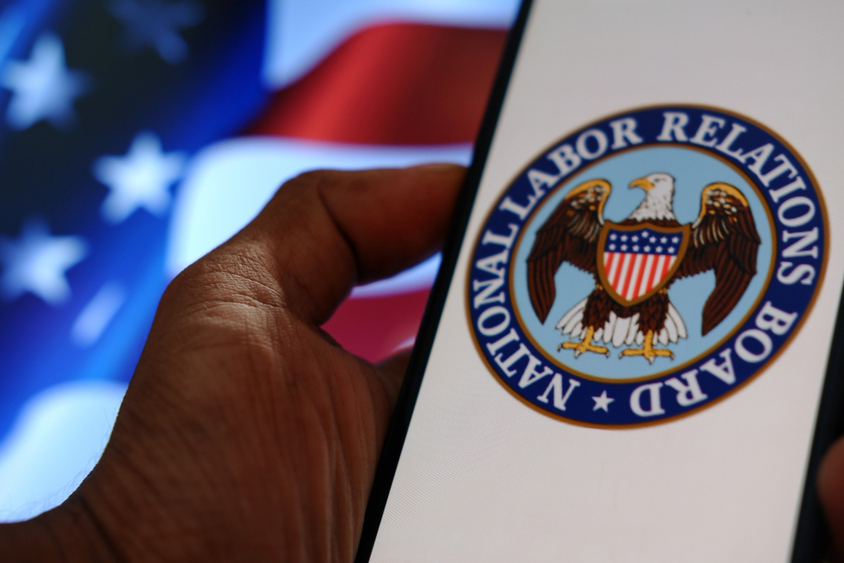
On September 29, 2026, the NLRB issued a complaint alleging that Casa Bonita’s management engaged in unfair labor practices during negotiations with Actors’ Equity Association, which represents the restaurant’s entertainers. The allegations include refusing to bargain in good faith, retaliating against union-represented employees, and failing to provide information related to terms and conditions of employment. An NLRB hearing is scheduled to begin December 7, 2026.
To be clear, these are allegations, not findings, that Casa Bonita violated the National Labor Relations Act (NLRA). Casa Bonita will have the opportunity to contest them at the hearing. But the dispute provides a timely opportunity to revisit rules that matter to employers negotiating their first collective bargaining agreement:
1. The Union Has a Seat at the Table. That Seat Matters.
Casa Bonita’s entertainers, including cliff divers, magicians, puppeteers, and actors, voted to unionize in November 2024. Once a union becomes the employees’ bargaining representative, the employer generally must bargain with that union over wages, hours, and other mandatory subjects of bargaining. As part of their obligations under the NLRA, employers cannot make unilateral changes to mandatory subjects of bargaining while negotiations are pending. Indeed, employers generally must bargain to agreement or lawful impasse before implementing changes to wages, hours, or working conditions, subject to recognized exceptions.
That is particularly important during initial-contract negotiations. An employer cannot assume that, because no collective bargaining agreement has been signed, it remains free to change terms and conditions of employment as it sees fit. Consider scheduling. An employer may need to adjust staffing to meet customer demand, manage costs, or respond to operational challenges. Those are legitimate business concerns. But where scheduling changes affect represented employees’ hours of work, the employer must consider whether bargaining is required before implementing them. The question is not simply whether management had a good business reason for the change. It is also whether management had the legal right to implement that change without first bargaining with the union.
2. Bargaining in Good Faith Doesn’t Mean Agreeing to Everything, But it Does Require Bargaining.
Here’s an important distinction that sometimes gets lost in public discussions of labor disputes: the NLRA requires good-faith bargaining, not agreement. An employer is not required to accept the union’s wage proposals, agree to every requested benefit, or make concessions simply because it has a represented workforce. Employers can bargain hard, reject proposals, and insist on positions that protect legitimate business interests.
But the process must be genuine. Parties must meet at reasonable times, bargain in good faith over mandatory subjects, and comply with their other statutory obligations. These obligations apply to the union as well as the employer. The law prohibits surface bargaining (i.e., going through the motions of negotiation without a genuine intent to reach agreement). A long negotiation, standing alone, does not establish bad faith. Neither does an employer’s refusal to accept a union proposal. The inquiry is whether the party’s conduct, viewed in context, demonstrates the required good-faith effort to negotiate. That distinction is important for employers seeking to maintain strong bargaining positions while satisfying their obligations under the NLRA.
3. Retaliation Allegations Create an Additional Layer of Risk.
The Board also alleges Casa Bonita retaliated against union-represented employees, including alleged unlawful firings and changes in working conditions. Union activity does not immunize employees from legitimate discipline or other lawful management decisions. But employers should be especially careful when making adverse decisions involving employees who have supported the union, participated in bargaining, or engaged in other protected activity. It is of paramount importance for managers to be able to articulate the legitimate business rationale for a decision, support it with contemporaneous evidence, and demonstrate that comparable situations have been treated consistently.
4. Information Requests Are Part of the Bargaining Process.
Another reported component of the Casa Bonita complaint concerns the alleged failure to provide bargaining information. A union is entitled to relevant information needed to perform its role as the employees’ representative. Depending on the circumstances, that can include information concerning wages, hours, scheduling, discipline, and other matters relevant to bargaining or contract administration.
Not every request must be fulfilled exactly as submitted. Relevance, confidentiality, burden, and other legitimate considerations may affect the employer’s obligations and how the parties address a request. Employers can minimize legal risk by evaluating information requests promptly, communicating with the union about any legitimate concerns, and responding in accordance with their bargaining obligations.
The Takeaway: Respect the Process.
For management, the practical lesson is straightforward: understand bargaining obligations, evaluate proposed workplace changes before implementing them, respond appropriately to the union, and make employment decisions for legitimate reasons. Employers can bargain hard while respecting the rights and obligations established by the NLRA. Cartman may insist, “Respect my authoritah!” But when it comes to collective bargaining, understanding the rules is the best way to keep the show running.
Rob Entin is a partner in the Chicago office of FordHarrison. He represents and advises employers on employment litigation, workplace compliance, and a broad range of labor relations matters, including union organizing, unfair labor practice defense, and collective bargaining.