




In the world of global travel and technology, staying ahead requires more than just good software—it requires a “people-first” heartbeat. As the Chief People Officer at American Express Global Business Travel (Amex GBT), Patti Huska is that heartbeat.
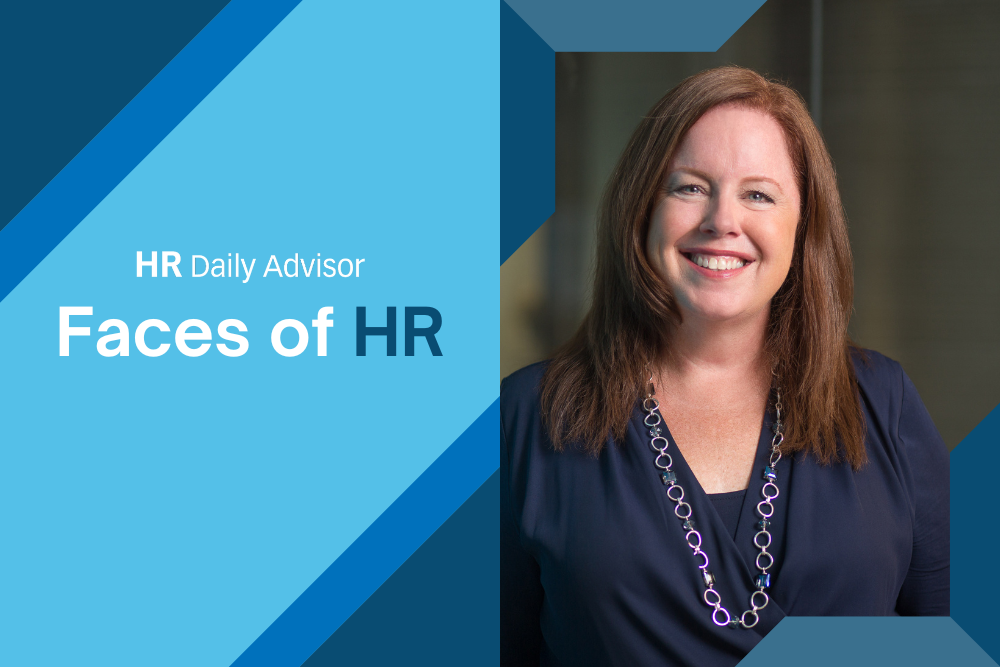
Overseeing a massive, 26,000-strong workforce across more than 40 countries, Huska doesn’t just manage HR; she architects a culture of resilience. Her mission is clear: transform a global giant into the employer of choice for the software and services travel industry, ensuring that even as technology evolves, the “human” remains at the center of innovation.
The “Failed” Start That Led to Success
Every great career has a “pivot” point, and Huska’s started with a failed typing test. During a college break, she signed up with a temp agency. While her typing skills didn’t make the cut, her personality did.
She was asked to fill in for a receptionist, and in a small “all-hands-on-deck” environment, she quickly moved from answering phones to placing temps in jobs. “I loved it immediately,” Huska recalls. That early spark for talent acquisition led her to a corporate role at Thomas Cook Travel, which was soon acquired by American Express. From there, her path was set. She spent 20 years at Amex—learning the ropes of recruitment and organizational effectiveness—before helping to launch the Amex GBT joint venture.
The Master of the Merger
If there is one thing Huska is known for, it’s her ability to lead teams through the storm of a merger or acquisition. Over her 30-year tenure, she has consistently “raised her hand” for the most complex assignments.
Before stepping into the CPO role, she served as Vice President of Global Human Resources, where she became an expert in protecting employee engagement during periods of massive organizational transformation. For Huska, a merger isn’t just a business deal; it’s a delicate cultural integration that requires a steady hand and a deep passion for people.
Leading 26,000 Voices
Today, Huska’s focus is on empowerment. In a world of remote work and digital transformation, she is dedicated to fostering collaboration across borders. Her strategy is simple but powerful: create a culture that isn’t afraid of change, but rather uses that change to fuel better customer experiences.
“I had little experience starting out, but a massive willingness to work hard,” says Huska. “I raised my hand for every assignment, and that began my career.”
In our latest Faces, meet Patti Huska.
Who is/was your biggest influence in the industry?
I have been incredibly fortunate to have many impactful influences and mentors in my career. When I assumed the Amex GBT CPO role, I interviewed with the American Express CHRO. He was incredibly generous with his time and knew me from earlier in my career at American Express. He took time to give me candid advice on where he thought I would excel in the role and where I needed to be cautious of potential pitfalls. He also told me how important it was for me to surround myself with talent and to have a strong 100-day plan going into the role. Not only was he generous with his time and insights, he cared enough to tell me what I needed to hear, not just what I wanted to hear.
What’s your best mistake and what did you learn from it?
When I look back on my career, I reflect on times when I was so focused on proving that I was “on top” of things that I would go to meetings with senior leaders and provide pages upon pages, and spreadsheets upon spreadsheets of data to back up my recommendations or project updates. It wasn’t until I was in more senior roles that I learned that anyone could create a 50-page presentation or mounds of data. The person who sets themselves apart is the person who can summarize the issue and recommendation minimally – brevity and confidence are essential. My second learning which is more of a personal one, is that it took me many years to learn that in HR, I needed to resist the temptation to “put the monkey on my back.” It was often my responsibility to coach leaders on how to lead through an issue, however in most cases, it is not appropriate to “take on the problem. Know when you are in a “coaching” or executing” mode.
What’s your favorite part about working in the industry? What’s your least favorite part, and how would you change it?
Every organization is only as good as the people in it. Fundamentally, HR plays such a key role in the success of an organization by driving the culture, reputation, people strategies and processes which drive success. I can honestly say I don’t have a least favorite part…. I love taking “messy problems” or friction in the system and finding a better way. I enjoy the challenge. My role is about bringing people together in an organization committed to doing just that. Travel connects communities, powering trade and driving economic growth. In short, travel makes the world a better place.
It sounds like through your experience you really care about people, and you want to help them feel safe and comfortable, which is important in the industry. Please elaborate here.
Making personal connections is essential but it must be done with integrity and consistency. As HR professionals, we have a responsibility to define reality. Whether you’re engaging with a C-level executive, your board, or front-line colleagues, your communication should demonstrate active listening and the ability to articulate their questions or concerns with transparency or simply provide space for them to be heard.
Creating an environment where people feel safe and comfortable fosters trust. That trust is critical, especially when addressing sensitive issues. It means holding ourselves to the highest standards of confidentiality and ethical action.
How can HR most effectively demonstrate its value to the leadership team?
HR can most effectively demonstrate its value by acting as a strategic partner, not just a support function. Start by deeply understanding the business’s drivers, revenue model, scorecard, and competitive landscape. This insight enables HR to design timely, practical, and scalable solutions that directly impact business outcomes.
Raise the bar on leadership by challenging performance standards and ensuring the organization has the right talent at the table. Build a true partnership with the leadership team by aligning HR priorities with business objectives and consistently delivering on commitments on time, on budget, and with measurable impact.
Finally, embrace agility. The ability to pivot quickly in response to changing market conditions or organizational needs demonstrates resilience and reinforces HR’s role as a trusted advisor driving both people and business success.
Where do you see the industry heading in five years? Or are you seeing any current trends?
The need to identify and develop talent, particularly leaders who can inspire and manage dispersed teams, has never been greater. As organizations navigate hybrid work models and global expansion, HR must prioritize capabilities for virtual leadership and cultural cohesion.
The rise of AI adds another dimension: HR professionals will be expected to anticipate the workforce of the future, including reimagining reward systems and career pathways.
Location strategies and talent mobility will be critical. Amex GBT research shows 64% of high-growth organizations cite attracting and retaining top talent as a top priority. At the same time, the Business Travel Pulse highlights that 95% of business travelers believe AI can enhance efficiency, signaling a future where automation and human connection must coexist.
HR leaders must therefore design integrated strategies that combine technology, flexible location planning, and inclusive development programs to prepare organizations for success in a dispersed and digital-first environment.
What are you most proud of?
Culture, community and connection are core foundations of our People Promise at Amex GBT. Our ability to bring people together, foster connection and drive collaboration is key to who we are, and what we do. We launched Amex GBT Communities in 2023, with the goal to make it easier for colleagues to come together in-person or virtually through social, interest-driven or educational opportunities.
Do you have any advice for people entering the profession?
Never underestimate the importance of a strong work ethic, reputation for delivering on commitments, and ability to work across all levels of the organization. Be the person who raises their hand for the tough assignment. Get to know the business (industry, competitors, how it makes money, etc.) so you can ask good questions and create solutions that meet the needs of the business and be known as someone who is flexible and can pivot.