



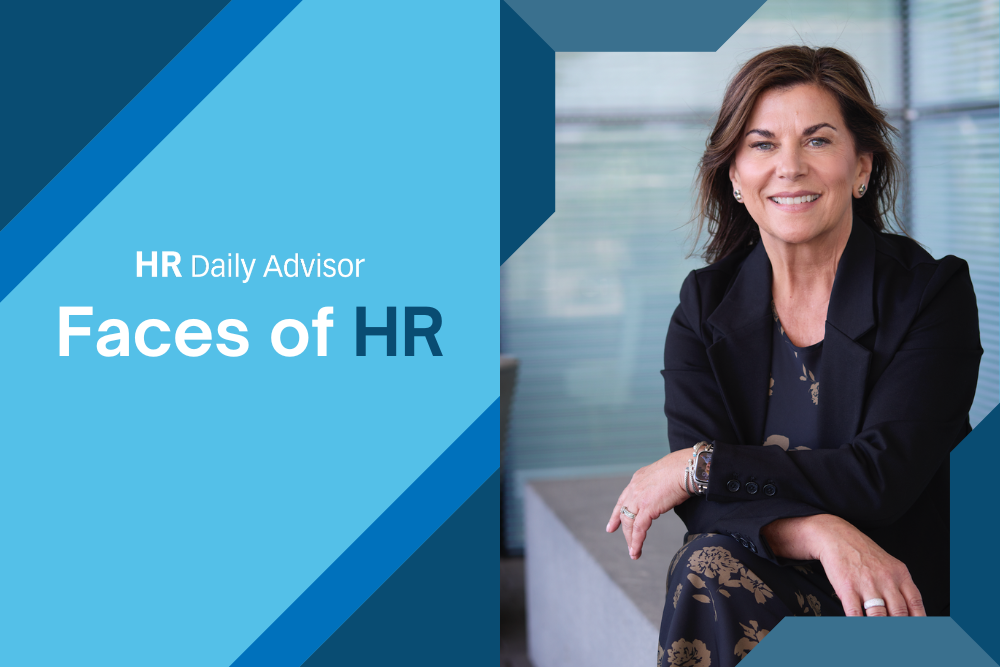
Every great career has a “spark” moment. For Michele Herlein, that moment happened in graduate school. While working as a teaching assistant to cover her tuition, she found herself standing at the front of a classroom teaching public speaking.
It wasn’t just a job; it was a revelation. That experience sparked a genuine love for developing others, and at the encouragement of her own students, she launched a small training consultancy. This hands-on start in training and development paved the way for a full-time role at Bandag, Inc., where she transitioned from an external consultant to an internal leader, designing leadership programs and succession plans that strengthened the entire organization.
Aligning the Organization
Herlein’s methodology is built on a simple but powerful idea: culture must be integrated into everyday operations. Before her current chapter at Bridgestone West, she founded CultureMax, a consultancy dedicated to helping executives align their culture with their business strategy.
Her approach focuses on aligning organizations both horizontally and vertically. By ensuring that culture and strategy move in the same direction, she helps leaders drive measurable success and create “Cultural Excellence”—which also happens to be the title of her practical guide for leaders.
Leading for the Future
Today, as Chief People Officer at Bridgestone West, Herlein works on a global scale. She partners with leaders across multiple regions to accelerate leadership development and support business performance. Her track record speaks for itself: throughout her career, including senior roles at Barge Design Solutions, she has consistently reduced turnover, improved engagement, and boosted profitability.
For Herlein, the mission remains clear: empower people, foster collaboration, and prepare organizations for whatever the future holds. By strengthening the “heart” of an organization, she ensures that success isn’t just a goal—it’s a result.
In our latest Faces, meet Michele Herlein.
It sounds like through your experience, you really care about people, and you want to help them feel safe and comfortable, which is important in the industry.
Helping people is important to me because it connects directly to the moment I discovered my purpose. In my early thirties, while leading a project for Drake Beam Morin, I realized that my work was more meaningful when I was supporting others in their growth. It was during that time that I defined my purpose as helping people become the best version of who they were created to be. That clarity became my true north and guided the decisions I made throughout my career.
As my responsibilities grew and I began influencing larger teams and organizations, my purpose expanded as well. I came to understand that helping people is not only about individual development but also about creating environments where people can show up as their authentic selves. This inspired me to focus on building organizational systems, cultures, and experiences that allow people to thrive, feel valued, and contribute in ways that align with their strengths.
Helping people matters because it shapes lives, workplaces, and an organization’s overall health. It is the work that gives me the deepest sense of meaning, and it continues to drive how I lead and where I invest my energy.
How can HR most effectively demonstrate its value to the leadership team?
For HR to demonstrate its value to the leadership team, the work must be clearly connected to how the business wins. In my experience, HR earns its seat at the table when it shows that people, culture, and performance are not separate conversations. They are the foundation of every business outcome we care about.
First, HR needs to use data in a way that brings the story of the organization to life. When we can show how turnover, engagement, leadership effectiveness, and talent pipelines directly affect financial results and strategic goals, leaders begin to see HR as a driver of performance, not a cost center.
Second, HR must operate as a strategic partner. That means understanding the business well enough to anticipate needs, identify capability gaps, and offer solutions before challenges escalate. When HR demonstrates that it understands both the people and the business, leaders naturally lean in.
Third, HR adds tremendous value by shaping a culture where people can thrive. Culture is not a side activity. It is the environment that determines how people show up, how they collaborate, and how consistently they deliver results. When leaders feel the impact of a healthy, aligned culture, they experience the value of intentional people work.
Finally, HR should communicate in the language of the business. When we frame our recommendations around growth, risk, efficiency, customer impact, and innovation, it becomes clear that talent is not separate from strategy. It is a strategy.
In short, HR demonstrates its value by connecting people practices to outcomes, anticipating organizational needs, fostering a high‑performance culture, and speaking in a way that aligns with how the business makes decisions. When HR does this well, the leadership team sees it not as a support function but as a catalyst for the organization’s success.
Where do you see the industry heading in five years? Or are you seeing any current trends?
When I look ahead five years, I see an HR profession that is stepping even more fully into its power as a strategic force inside organizations. The world of work is changing quickly, and HR will be at the center of helping companies navigate that complexity with clarity, purpose, and humanity.
First, technology and AI will continue to shape nearly every aspect of work, but the real opportunity will be in how HR uses these tools to elevate the human experience. Automation will take on many routine tasks, which will give HR the freedom to focus on the deeper work of coaching leaders, strengthening culture, and building environments where people can thrive. The function will become far more analytical, yet also more connected to what people truly need to feel valued and supported.
Second, I believe the shift from job-based organizations to skill-based organizations will accelerate. HR will lead the creation of systems that help people grow, adapt, and find meaningful pathways within their companies. This evolution will require intentional learning cultures, accessible development opportunities, and leaders who understand how to unlock potential.
Third, hybrid and flexible work will continue to mature. HR will play a critical role in helping organizations build trust, accountability, and connection across dispersed teams. The focus will move from debating remote versus onsite to designing workplaces that cultivate belonging, coherence, and shared purpose.
Most importantly, I see HR becoming the steward of culture in a much deeper way. As change becomes constant, people will look to HR for stability, clarity, and alignment. We will guide organizations through ambiguity and ensure that values are not just spoken but lived.
In five years, HR will be more strategic, more influential, and more human than ever. And I believe this will elevate both organizational performance and the lived experience of the people who make that performance possible.
What are you most proud of?
Raising two smart, compassionate and hard-working daughters who are now incredible professional women.
Do you have any advice for people entering the profession?
Get as much experience in all parts of HR as possible and make sure you learn the business. We are not HR for HR; we are HR for the business.