
Pros and Cons of Employee Surveys
Does your organization regularly conduct employee surveys? Why or why not?



Practical HR Tips, News & Advice. Updated Daily.
Does your organization regularly conduct employee surveys? Why or why not?

As Tennessee employers have phased into (and out of and back into) various stages of reopening during the COVID-19 pandemic, the primary concern for most has been keeping on-site workers as safe as possible and their businesses afloat. A concurrent worry has been what to do if an employee or customer catches the virus. Could […]
Any hiring process comes with the potential for unconscious bias to play a role. Some companies have methods for combating such biases, with an emphasis on delaying the application of bias. In other words, by hiding a candidate’s identifying information until after the person has been considered, the recruiting manager has time to learn what’s […]

The importance of storytelling is not lost on today’s “Faces of HR” guest. She leans on her storytelling past to keep Microsoft’s internship program alive even during the chaos of the pandemic.
A new proposed rule from the U.S. Department of Labor (DOL) would make it easier for employers to justify classifying certain workers as independent contractors, but misclassifying workers would still be a costly mistake.

If your organization offers any type of retirement benefit, perhaps you’re already familiar with the Setting Every Community Up for Retirement Enhancement (SECURE) Act of 2019. The majority of this legislation went into effect at the beginning of 2020 and made some interesting changes to various retirement plan contribution and withdrawal rules.

We’ve said it before, and we’ll say it again: Gen Zs want to learn while they’re working for your company! Younger generations have voiced their support for ongoing career development, yet the pandemic has caused some training initiatives to come to a grinding halt, and workers are begging for them to come back.

The Massachusetts Legislature is considering two bills containing expansive new protections for parents who are unable to return to work during the COVID-19 pandemic because of a lack of childcare as well as paid sick time for employees who aren’t eligible for the same benefit under a federal law Congress passed in March.

Melinda Wolfe has seen employers make important strides in diversity, equity, and inclusion (DEI) over the years, but she’s also seen setbacks. And she’s learned that to avoid setbacks and continue progress, employers have to be open to change and make systematic improvements to policies and practices in the workplace.
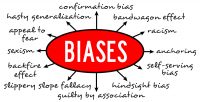
With the move toward virtual interviews, hiring managers have to be careful to avoid not only the biases they might encounter during an in-person interview but also a whole new set of potential biases when interviewing someone in their home environment.