
Survey Finds More Employees Sick … of Work
Are more workers feeling stressed, disengaged or disillusioned with their jobs? Or are they simply trying to juggle the various aspects of their busy lives?



Practical HR Tips, News & Advice. Updated Daily.
This topic provides guidance on how to handle compensation issues in a way that attracts and retains the best talent and advances the strategic goals of your business. You get news and tips on what’s going on nationally and in the states, and updates on changes in regulations, possible governmental action, and emerging compensation trends.
Are more workers feeling stressed, disengaged or disillusioned with their jobs? Or are they simply trying to juggle the various aspects of their busy lives?

*Editor’s note: The content of this article was originally intended for Texas employers dealing with the repercussions of Hurricane Harvey. However, with the recent California wildfires and other natural disasters impacting various parts of the country, employers from all states can take glean insight from Maslanka’s advice.
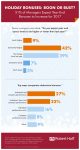
For many workers, 2017 will end on an extra merry note. According to new research from global staffing firm Robert Half, more than half of senior managers surveyed (51%) said they expect year-end bonus levels to be at least somewhat higher than 2016.

Nearly three-quarters (72%) of U.S. employers aim to improve their health and well-being strategies and programs over the next 3 years to differentiate themselves from organizations with which they compete for talent. This is up from the 18% that say they do so now, according to the 22nd annual Best Practices in Health Care Employer […]

When you think about compensation policy and practice, do you lean more toward “just the facts” or “how does that make you feel?” Compensation is, of course, based on facts and figures. But some new research has found that employee loyalty is driven much more by feelings than it is by facts.

Although the trend in the employer health insurance marketplace is relatively restrained in contrast with the out-of-control individual marketplace—averaging just 2.6% for 2016-2017—overall costs remain very high. Consumerist tactics continue to be among the primary ways employers seeks to contain (if not reduce) costs.

A new survey has found that when it comes to wellness programs and initiatives, many employers are not effectively getting the word out to their employees. Meanwhile, it reveals that many employers may have objectives for their wellness programs that may be misaligned with their original purpose.

A recent survey from HR services provider Randstad US explores workers’ attitudes and preferences about the holiday season in the workplace. Predictably, it finds some employees enjoy the season, while others struggle with workplace merriment.

Simply put, a pay approach is the method an organization uses to deliver base pay to its employees. For example: job-based pay, market-based pay, knowledge/skill-based pay, and experience-based pay are all methods of pay delivery. Which one is the right one? Any of them can be a viable method, depending on the organization’s needs and […]

Many qualified profit-sharing and 401(k) retirement plans allow participants to take loans from their account balance. To ensure that the loan is repaid and to avoid administrative headaches, many plans require repayments be made by payroll deduction.