Category: Benefits and Compensation
This topic provides guidance on how to handle compensation issues in a way that attracts and retains the best talent and advances the strategic goals of your business. You get news and tips on what’s going on nationally and in the states, and updates on changes in regulations, possible governmental action, and emerging compensation trends.
Recently, the Minnesota Supreme Court held that an employee’s misrepresentations on an employment application qualified as “employment misconduct” under the Minnesota Unemployment Insurance Law, Minn. Stat. ch. 268. As a result, the employee was disqualified from receiving unemployment benefits.
On March 13, the nonpartisan Congressional Budget Office (CBO) released its cost estimate of the effects of the proposed Affordable Care Act (ACA) repeal/replace legislation.
Legislation approved by a House committee would largely negate the U.S. Equal Employment Opportunity Commission’s (EEOC) wellness program rules, which plan sponsors have criticized for adding a duplicative layer of regulation to earlier standards set by other agencies.
Many employers have taken notice that employees today are requesting flexible work options more often. Whether that’s telecommuting, a flexible work schedule, a shortened work week, or some other flexible arrangement, these types of benefits are becoming more and more common.
Workers are getting older, sleepier, and increasingly worried about their finances while they rely on mindfulness and emerging technology to help them achieve their desired health. This is the state of wellness according to the 2017 Humana Wellness Trends Report.
The goal for a compensation program is to set a competitive wage range for a given position, and pay the people who perform that job within the salary range. Complications arise, though, when your workforce is spread from city to city, state to state, or country to country. How can you determine what is competitive pay if you have employees doing the same job in Manhattan and in Kansas City?
Replacing employees is expensive. In a time of low employee retention and high turnover, employers are striving to improve programs with a positive impact on employee engagement. “While individual benefits may not drive retention, benefits packages that address employees’ needs demonstrate that a company cares and, in so doing, become a driver of retention,” said […]
The Internal Revenue Service (IRS) has postponed the notice requirement for the new “qualified small employer health reimbursement arrangement” (QSEHRA) program, until the agency issues further guidance.
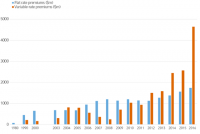
When will the U.S. Pension Benefit Guaranty Corporation (PBGC) premiums force a change in contribution policy? A look at the federal agency’s accounting statements points to the answer: “Sooner rather than later.”
An African-American railroad worker alleged that he was denied overtime and certain training due to race discrimination. His employer denied the allegations.