Massachusetts to See Minimum Wage, ‘Blue Law’ Changes in January
Changes in Massachusetts’ minimum wage and the “blue law” affecting premium pay for certain employees working on Sundays will go into effect on January 1, 2019.



Practical HR Tips, News & Advice. Updated Daily.
This topic provides guidance on how to handle compensation issues in a way that attracts and retains the best talent and advances the strategic goals of your business. You get news and tips on what’s going on nationally and in the states, and updates on changes in regulations, possible governmental action, and emerging compensation trends.
Changes in Massachusetts’ minimum wage and the “blue law” affecting premium pay for certain employees working on Sundays will go into effect on January 1, 2019.
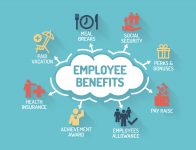
To get candidates interested in your company, you need to know what they’re looking for. Offering a competitive salary and health insurance isn’t enough. In order to win the war for talent, your company should be offering a robust benefits package that stands out from your competition.

In a previous post, we discussed that 31% of U.S. employees—in a recent Beqom survey—feel they are not being paid fairly based on age or race, while 48% believe women are underpaid relative to men.
In a tight labor market, employers are constantly looking for new ways to attract and retain top talent. Many companies offer generous benefits packages, flexible work hours, and other incentives. But data consistently show that financial compensation in the form of salaries and bonuses still represents the biggest draw for many employees.

Last month, we discussed criticisms surrounding claims that standing desks improve the health of users. Supporters of standing desks often point to studies that claim remaining seated for prolonged periods of time—as most office workers do—has negative impacts on our health.

I recently sat down with Francis Coleman, Managing Director, Health and Benefits, Global Services and Solutions, Willis Towers Watson to discuss their recent Global Medical Trends Survey results.
We hear a lot about the need to attract working mothers to the workforce and what types of benefits companies should be offering this demographic in order to stand out among the competition. Yet, we hear little about how to attract working fathers.

Many organizations already offer mindfulness training programs or meditation programs. In fact, over 20% of organizations currently offer mindfulness training programs, with many more expected to follow suit soon.
With the current focus in the retirement plans community on missing and unresponsive 401(k) plan participants, practitioners have sought additional guidance from the U.S. Department of Labor (DOL) to clarify the meaning of a “reasonable search” for participants by an ongoing plan (see August column). As the community waits, plan fiduciaries are reviewing their current […]

The Internal Revenue Service (IRS) has proposed regulations that would change the rules for hardship distributions from 401(k) and 403(b) retirement plans by replacing the facts-and-circumstances test for determining hardship eligibility with a three-part general standard.