Our 2018-2019 Pay Budget Survey Results Are In
Each year we conduct a nationwide survey to learn about pay practices throughout the country. We are pleased to release the results of our 2018 survey.
We’ve been talking for some time about the tight job market faced by employers across the company. With the unemployment rate at a historic low, many jobseekers are having an easier-than-usual time finding a new job, or a first job, as employers struggle to find qualified employees.
When it comes to employee compensation and pay practices, a new survey finds that potential candidates aren’t negotiating salaries, and this is leaving a lot of money left on the table for future earnings. According to online employment marketplace ZipRecruiter®, the majority of jobseekers are not negotiating for more salary when starting a new job.
Key parts of the Oregon Equal Pay Act of 2017 will become effective on January 1, 2019. Part of the law took effect in October 2017, and another section won’t take effect until 2024, but most of the law takes effect with the coming of 2019.
With a tightening labor force and the unemployment rate at a mere 3.7%, employers are chasing the talent—not the other way around. Not only that, but it’s getting more difficult to keep the most capable workers around. Since 2015, there have been more job openings than new hires, which means unhappy employees have more opportunities […]
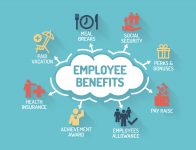
To get candidates interested in your company, you need to know what they’re looking for. Offering a competitive salary and health insurance isn’t enough. In order to win the war for talent, your company should be offering a robust benefits package that stands out from your competition.
In a previous post, we discussed that 31% of U.S. employees—in a recent Beqom survey—feel they are not being paid fairly based on age or race, while 48% believe women are underpaid relative to men.
In a tight labor market, employers are constantly looking for new ways to attract and retain top talent. Many companies offer generous benefits packages, flexible work hours, and other incentives. But data consistently show that financial compensation in the form of salaries and bonuses still represents the biggest draw for many employees.
We hear a lot about the need to attract working mothers to the workforce and what types of benefits companies should be offering this demographic in order to stand out among the competition. Yet, we hear little about how to attract working fathers.
In a previous post, we discussed Amazon’s recent announcement to raise the minimum wage of all U.S. employees to $15 per hour on November 1, 2018. The move was lauded by the likes of 2018 Democratic presidential hopeful and Vermont Senator Bernie Sanders.