



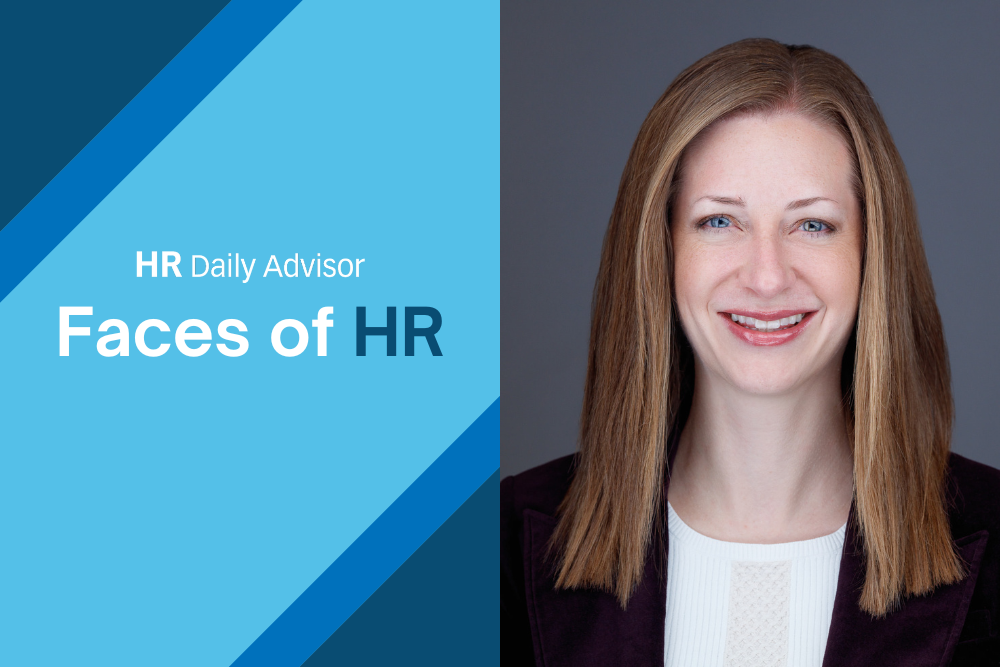
For many, a career is a straight line. For Judi Health‘s Chief Human Resources Officer (CHRO), Sara Bunn, it’s been a masterclass in evolution. After two decades at the Boston Consulting Group (BCG), Bunn didn’t just climb the ladder—she built new ones. Her journey took her from the front lines of high stakes consulting to the heart of human resources (HR), eventually returning to her hometown of Denver to launch and lead BCG’s regional office. Whether Bunn was balancing budgets for the entire West Coast or shaping the culture of a new city, her mission remained the same: making sure the business and its people win together.
The “Light Bulb” Moment
Transitioning from a consultant to an HR leader wasn’t a random move, it was a discovery. Bunn’s first taste of the field came through “staffing,” the complex puzzle of matching the right consultants to the right projects. It wasn’t just about filling seats; it was a high stakes negotiation between senior partners with big demands and employees looking to grow their skills.
“I found that when I came up with a better solution, I could see the impact immediately,” Bunn explains. “It helped the business thrive, and it helped the individual succeed.”
That was the moment everything clicked. Bunn realized that the most powerful place to be wasn’t just on the business side or just on the people side—it was right at the intersection of both. Today, she brings that same problem-solving spark to Judi Health, proving that when you solve for people, you solve for the business.
In our latest Faces, meet Sara Bunn.
Who is/was your biggest influence in the industry?
I was fortunate to cross paths with Susan Grimbilas early in my career at BCG. She took on the role of COO, overseeing HR and Operations for North and South America, and I had the opportunity to join her team and work closely with her. Susan is a deeply inspiring leader. She has an innate ability to cut through the noise and get right to the heart of a problem and sort it out. She’s a master negotiator and persuader, making people feel like the thing they came into a meeting adamantly opposed to is a fantastic idea. She recognizes talent in people and gives them platforms to grow and flourish. I joked that Susan was playing chess with her team members, seeing three moves ahead on where she was going to move each of us next. But most importantly, she cares deeply about her people and leads with an incredible depth of kindness and care about those around her. I’ve always described Susan as who I want to be when I grow up, professionally. As a testament to her capabilities, she is now the Global Head of HR for BCG.
What’s your best mistake and what did you learn from it?
Earlier in my career, I sent a spreadsheet that included salary data to an HR colleague in a different part of the company who should not have received that salary data. I immediately confessed my mistake to my manager, and we talked through options for how to handle the situation. Instead of meeting me with anger or frustration, she met me with empathy and later gave me positive feedback on immediately owning my mistake. She demonstrated to me how the best leaders are coaches who create safe spaces where you can learn from your mistakes, grow, and thrive.
What’s your favorite part about working in the industry? What’s your least favorite part, and how would you change it?
My favorite part about working in HR is knowing that the work I do has a positive impact on employees and that I can make a difference in how people are feeling about their job, their potential at a company, and the recognition that they receive for the work they do. This has a virtuous impact on their lives, given how you feel about your job impacts your physical and mental health, your relationships outside of work, and your personal life. Knowing that what I do impacts people not just as employees but as humans is both rewarding and humbling.
My least favorite part about working in HR is combating the perception that HR is not as valuable as other functions or is there to enforce company rules. I even found that when I was applying to business school, I received some skepticism from admissions professionals when I expressed that I wanted to focus on HR. Ultimately, almost every company problem comes down to the humans at the center of solving that problem, so having the right people in the right roles and supporting those people is of critical strategic importance.
It sounds like through your experience you really care about people, and you want to help them feel safe and comfortable, which is important in the industry. Please elaborate here.
I am a big believer that people will be able to do their best work when they feel recognized for their contributions, valued for the work they do, and able to express their perspectives freely. I believe that workers who feel respected and valued will do their best work for the company, which is a very virtuous cycle for both the company and the individual. Ultimately, creating an environment where everyone can bring their perspective, challenge each other intellectually to get to the best answer, and do the highest quality work fundamentally makes sense for the business.
How can HR most effectively demonstrate its value to the leadership team?
I have found that I’ve been able to prove my value to leaders with a series of small wins; finding a strong candidate to join someone’s team. Keeping that employee through a tricky personal situation that impacts their work life. Helping resolve an employee relations situation on the leader’s team that they didn’t know how to handle. Simultaneously, I’ve found that while giving leaders some “wins” is important, it is just as important to demonstrate that you are ultimately business-minded; saying no to a request but suggesting an alternative solution that may better support the business in the long run, with a clearly articulated rationale, can go a long way in gaining credibility with leaders and demonstrating the value that the HR team can provide.
Where do you see the industry heading in five years? Or are you seeing any current trends?
I believe the biggest challenge ahead of us in HR is to equip our workforce to adapt to the world of GenAI. We need to upskill our existing talent to adopt AI into their regular processes, invest in systems that will leverage the technology, and think through the implications of AI adoption on career paths and the company org structure. Will we need fewer junior workers in the future? Maybe. But if every company needs fewer junior workers and more experienced workers who can harness the power of AI, how will we develop the talent pipeline of the future? This is something leadership teams across the globe will have to sort out.
What are you most proud of?
I am most proud of the teams I have built over the years; watching my team members grow and develop their skills and confidence is incredibly rewarding. When I left BCG, two of the people with whom I worked most closely ended up being my successors and taking on the roles I had held. I believed that they were both ready for this opportunity, but I was delighted to see that the other leaders around me saw the same qualities and potential in them that I did and rewarded them with the opportunity. It was bittersweet to leave, but being able to simultaneously create career opportunities for others whom I believe in deeply was very fulfilling.
Do you have any advice for people entering the profession?
I have two pieces of advice: first, always take the mindset of being an owner of the business when making decisions or recommendations. Ultimately, our obligation as HR professionals is to protect and support the business. Where you can make decisions that both benefit the business and the employees, that is where real value can be created. Second, ask questions, even if you feel uncomfortable asking. You can’t add value if you don’t fully understand the context that you’re operating within.