



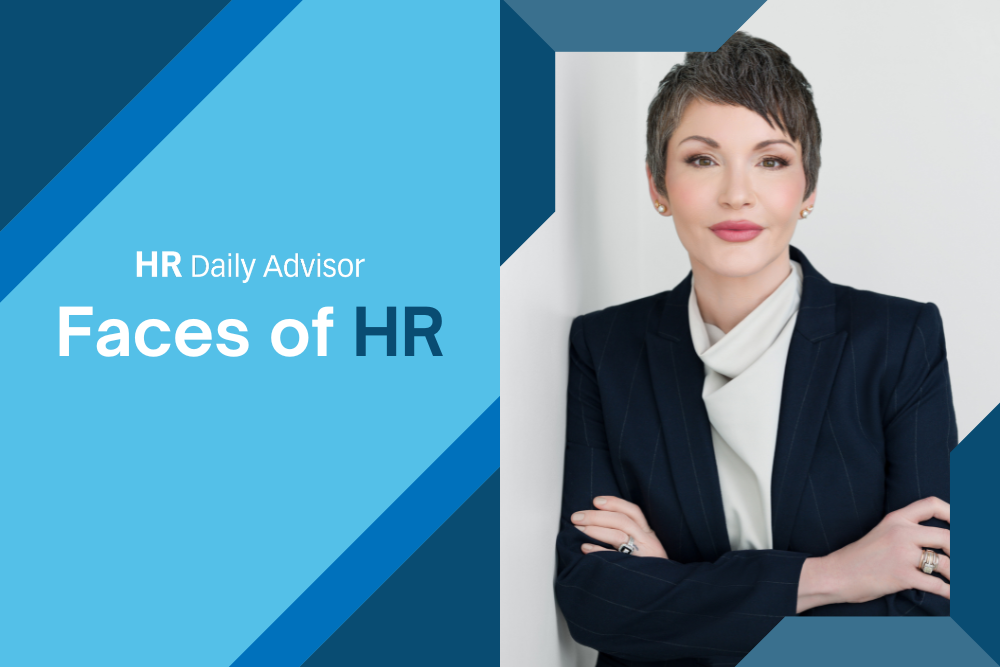
Monique Mahler didn’t start her career in the C-Suite. She started at the front desk.
Today, as the Chief Human Resources Officer at Snell & Wilmer, Mahler oversees the people strategy for a legal powerhouse spanning 17 offices across the U.S. and Mexico. But her journey from a receptionist at Baker Botts to a global HR leader is a masterclass in curiosity and “people-first” ambition.
While many in the legal world feel the pull of the courtroom, Mahler’s “aha moment” happened behind the scenes. After a stint as a paralegal and a few trials under her belt, she realized her true passion wasn’t the law itself—it was the people who practiced it. Guided by mentors who spotted her leadership potential early on, she traded the billable hour for a career dedicated to talent management and organizational growth.
That early encouragement sparked a twenty-year trajectory through some of the most prestigious names in the legal field. From driving scalable HR programs at BakerHostetler to navigating Kirkland & Ellis through a global HR transformation, Mahler has mastered the “Human” in Human Resources.
Now recognized for a leadership style that is as thoughtful as it is tactical, Mahler uses her Master’s in Legal Administration and deep certification toolkit to bridge the gap between high-level business goals and the daily employee experience. For her, HR isn’t just about policy—it’s about seeing potential in others, just as those early mentors once did for her. Whether she’s managing compensation strategy or leading a firm-wide transformation, Mahler’s mission remains the same: proving that even in the high-stakes world of legal services, the most valuable asset isn’t the case file—it’s the person holding it.
“I’ve learned that doing good work and being a good human don’t have to be mutually exclusive, and I try to lead in a way that reflects both,” Mahler shared with HR Daily Advisor. “If I can leave people, teams, or organizations better than I find them, that’s success to me.”
In our latest Faces, Monique Mahler.
Who is/was your biggest influence in the industry?
I’ve been fortunate to work with several exceptional leaders in the industry, but my biggest influences have been the HR and operations leaders who saw potential in me early on and were willing to invest in my growth. They modeled what it looks like to lead with integrity, to be honest when things aren’t easy, and to care about both the business and the people doing the work. I’ve also learned a tremendous amount from the countless colleagues I’ve worked alongside, those who shared their knowledge, challenged my thinking, and introduced me to possibilities and doors I didn’t yet know I could open. Their collective influence shaped not just my career, but how I lead and support others today.
What’s your best mistake and what did you learn from it?
My best mistake was believing that I had to be perfect, that being fallible would somehow undermine my credibility. That mindset was not only unrealistic, but it was also isolating and anxiety-inducing. I learned that acknowledging mistakes, asking for help, and being transparent builds trust and connection. The more open I became about my own missteps, the more approachable and relatable I was as a leader. Showing up authentically gives others permission to do the same, and that creates stronger teams and healthier cultures.
What’s your favorite part about working in the industry? What’s your least favorite part, and how would you change it?
My favorite part of working in the legal industry is being surrounded by intelligent, respected people and seeing their impact. Law firms are filled with incredibly smart, driven professionals who care deeply about their work and their clients, and I love helping create environments where they can do their best work and continue to grow. My least favorite part is having to navigate the hard conversations, performance issues, conflict, or moments when people are struggling, because at the end of the day, we are all people, not just roles or titles. That challenge is compounded by a culture that can still equate long hours and constant availability with commitment, which can contribute to burnout. It is important to be mindful of this. If I could change one thing, it would be to encourage individuals to move away from their personal perspective of a narrow, linear definition of success and toward one that values purpose, impact, and growth that isn’t always upward but is always meaningful.
It sounds like through your experience you really care about people, and you want to help them feel safe and comfortable, which is important in the industry. Please elaborate here.
I care about people and I aim to create a space where others can feel safe to speak up, ask for help, or admit when they are struggling. I believe that creating a safe and open environment allows people to feel respected and supported. It is important for me to be able to relate with others or acknowledge that everyone comes to work carrying different pressures and responsibilities, and that life outside of the office is not the same for everyone. How we treat each other in those moments matters. My goal is to help create spaces where people feel comfortable being honest, where tough conversations can happen with care, and where people know they can be human and still be taken seriously. That kind of environment isn’t just kinder; it’s how people do their best work.
How can HR most effectively demonstrate its value to the leadership team?
HR demonstrates its value when it is both a trusted advisor and a reliable executor. Tactically, that means bringing clear data, understanding the business realities, and offering practical options, not just pointing out risks or quoting policy. Relationally, it means building real trust with leaders and employees, listening carefully, and being present during difficult moments. When HR can help leaders address issues thoughtfully, make informed decisions, and follow through with consistency and care, it earns credibility.
Where do you see the industry heading in five years? Or are you seeing any current trends?
From an HR perspective, I see the industry continuing to change in ways that could put even more pressure on how firms attract, develop, and retain people. Technology and AI will keep reshaping roles and skill expectations, which means HR will need to help leaders rethink not just hiring, but how work is structured and how people grow over time. At the same time, employees are being more honest about what they want, flexibility, purpose, fair treatment, and careers that don’t have to follow a single, linear path. I also think there will be increased focus on manager capability because strong leadership will be critical as firms navigate complexity, generational shifts, and continued demands for high performance.
What are you most proud of?
What I’m most proud of is paying forward the support I received early in my career by seeing potential in others and investing in them, sometimes before they see it in themselves. Watching people gain confidence, step into leadership, or take their talent elsewhere because they were ready for the next chapter is incredibly meaningful to me. If I’ve helped someone believe in themselves, grow, and move forward with clarity and confidence, then I’ve done my job as a leader.
Do you have any advice for people entering the profession?
Be patient with yourself and stay open to paths that don’t look like the plan you had in mind. Ask questions, raise your hand for opportunities, and don’t be afraid to say yes before you feel fully ready, that’s often how you grow. Find people who will be honest with you and invest in those relationships, because mentorship matters more than titles early on.