
5 Things to Look for When Reviewing a Thin Résumé
When looking for potential candidates, you’ve probably come across a thin résumé—a résumé that could be promising, if only it contained more information.



Practical HR Tips, News & Advice. Updated Daily.
When looking for potential candidates, you’ve probably come across a thin résumé—a résumé that could be promising, if only it contained more information.

First impressions matter, and the biggest mistake hiring managers can make is to ignore the importance of how they recruit. In today’s world of social media and company review sites, if even just one candidate has a bad experience (during any point in his or her hiring process), the world can hear about it. And […]
New research finds companies continue to leverage and expand well-being programs to create healthier and more productive workforces. It also finds financial incentives play a key role in the success of well-being programs.

Upsettingly, active shooter drills are becoming commonplace in schools across the United States. And after the workplace shooting that happened at YouTube’s headquarters in San Bruno, California, on April 3, active shooter drills are going to become commonplace at various companies, too.
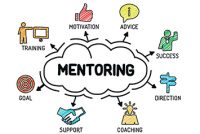
Mentors offer so much to mentees and can be extremely pivotal to their mentees’ success. But sometimes, regardless of their good intentions, they can offer their mentees extremely bad advice.

Sales enablement has gone from being used by 19% of companies in 2013 to 59% in 2017. And for good reason—there’s a direct correlation between sales enablement disciplines and attaining sales quotas. Companies that implement enablement programs reach revenue goals at a rate more than 8% higher than those that do not.

Continued from yesterday’s post, here’s more information about vocational learning and the new workforce.

Organizations continue to focus on helping employees improve their overall well-being, which in turn can positively impact productivity and costs. The key to realizing the value of this focus is an engaged population, yet despite best intentions and large investments, many employers still face low benefits utilization.

In his recent book, Dying for a Paycheck, Jeffrey Pfeffer, professor of organizational behavior at Stanford Graduate School of Business, explains how the modern workplace causes all kinds of problems. From chronic illnesses to stress, much about the modern workplace is bad for economies and societies and the success of companies—and, of course, for workers.

Ensuring that an employer’s 401(k) plan is being administered in accordance with its terms and applicable law is a fundamental fiduciary responsibility. This includes complying with the Internal Revenue Code, the Employee Retirement Income Security Act (ERISA), and the regulations under both.