
6 Ways to Introduce A Digital Detox to Your Employees (and Why it Could Boost Productivity)
Technology unquestionably makes our working lives easier, adding flexibility and convenience—but does it make us happier in the office?



Practical HR Tips, News & Advice. Updated Daily.
Technology unquestionably makes our working lives easier, adding flexibility and convenience—but does it make us happier in the office?

The long-awaited COVID-19 vaccines are apparently close to mass distribution across the country. It’s a welcome development but also one that may put employers in a quandary: Should they require employees to be vaccinated, and, if not, what should they do to keep workers safe?

Steve Pemberton has come a long way since he entered the foster care system as a toddler. The chief HR officer at workplace recognition company, Workhuman, chronicled his life story in a book released in 2012 that was subsequently made into a movie. The book, A Chance in the World: An Orphan Boy, a Mysterious […]

With unemployment at lows not seen in years, employers are struggling to find enough candidates for any given vacancy. There are a lot of ways to branch out in the hiring process, including expanding geographic scope, offering remote options, considering those with a criminal history, and more. One avenue more employers are exploring is hiring […]
Under the requirements, employees who have received emergency response training under OSHA’s HAZWOPER rules do not need to receive separate emergency response training under Resource Conservation and Recovery Act (RCRA) rules as long as the overall training program includes all of the elements of the RCRA training requirements. HAZWOPER training for hazardous waste treatment, storage, […]

Managers know that employee personnel assignments are rarely static. Business needs and staffing availability can change frequently, and businesses need the flexibility to move personnel into new roles. Sometimes, this involves hiring a new employee, but often, it involves a promotion or lateral movement for an existing employee.
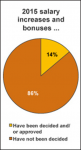
Yesterday’s Advisor began our coverage of BLR’s 2014–2015 Pay Budget Survey results. Today, the rest of the results, including 2015 compensation planning. [Go here for 2014 data and the rest of the survey results] 2015 Merit Increases A mere 13.8% (down from 14.1% in 2013) of survey participants have decided and/or approved their pay budgets […]
By Anita Bowness Leadership roles are tough, and the actions of a leader have a ripple effect that can be felt throughout the organization. Here with tips for ensuring this ripple effect is positive for your company is an article by Halogen Software’s Anita Bowness, who is the global practice leader for Business Consulting.

A jury awarded an employee with a speech impediment $500,000 because he was harassed by a supervisor who mimicked his stutter. The central issue on appeal was whether the supervisor’s conduct was sufficiently severe or pervasive to constitute disability harassment. When does a joking atmosphere become a hostile work environment?

While employees are returning to workplaces across the country, sadly, a majority of them are still worried they may end up losing their jobs because of the novel coronavirus.