
How the Big Firms Educate Employees About Retirement
We all want to see employees take the reins and drive their retirement accounts toward a successful finish. Some say educating is the key. But what kind of education, and in what format?



Practical HR Tips, News & Advice. Updated Daily.
We all want to see employees take the reins and drive their retirement accounts toward a successful finish. Some say educating is the key. But what kind of education, and in what format?

Employers can better manage the health and cost burdens of musculoskeletal disorders by implementing prevention strategies such as ergonomics training and movement-friendly workplace design, providing onsite physical therapy for those with acute or chronic pain, and paying for surgery with bundled pricing, says a new report from Northeast Business Group on Health (NEBGH).

The Internal Revenue Service (IRS) updated its special per diem rates for the transportation industry, incidental expenses, and the “high-low” substantiation method. These rates, announced September 25 in Notice 2017-54, apply to allowances paid to employees on or after October 1 for travel on or after that date.

A new Mercer survey has found that only 35% of employers favor a full repeal of the Affordable Care Act (ACA), while 51% actually oppose it (and 14% have no opinion). Instead, the survey found that employers prefer smaller changes to the law.

Employers invest a tremendous amount of time and cost in employee benefit offerings which are designed to help their employees save and financially prepare for retirement. Ironically, few employers are focused on the actual process of retirement and its workforce-related implications.

A federal appeals court recently confirmed that the Affordable Care Act’s (ACA) prohibition of lifetime benefits maximums does not apply to retiree-only group health plans. However, the court ruled, the plan had failed to disclose this adequately as required by the Employee Retirement Income Security Act (ERISA). The case is King v. Blue Cross & […]
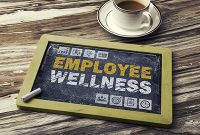
An increased use of metrics, incentive and wearables are three trends in wellness programs according to a survey conducted among 8,000 of America’s Healthiest Employers, a leading independent recognition program for U.S. corporate population health. The survey report, The State of Corporate Wellness, conducted by Springubk and Fitbit Health Solutions, reveals what America’s healthiest employers […]

U.S. employers’ cost to provide employee benefits, measured as a percentage of pay, increased 24% between 2001 and 2015, fueled largely by a doubling in healthcare benefit costs, according to a new analysis by Willis Towers Watson (WTW). The analysis, according to WTW, “reveals a major shift in how employers allocate benefit dollars and prompts […]

According to new research, released by meQuilibrium, Millennials are rapidly becoming the dominant cohort in the workplace, and this is causing significant shifts in workplace culture. It is predicted that Millennials will make up 75% of the workforce by 2025—prompting HR professionals to rethink the way they communicate benefits, offer learning experiences, and engage the […]

For all their many faults, the exemptions, especially the full BICE, provided compliance professionals with a long checklist of specific compliance items. The Impartial Conduct Standards are somewhat more vague and do not necessarily lend themselves to easy compliance checklists.