




Jessica Harrah’s path to becoming a top HR leader started in a courtroom, not a corporate classroom. She began her career at KinderCare Learning Companies as a staff attorney. After spending 10 years handling legal matters for the organization, she moved up to become the Senior Associate Counsel. While she truly enjoyed her time working as a lawyer, she eventually felt pulled toward a different kind of work. The world of HR gave her the chance to focus on the big picture: company culture, people, and helping workers thrive. Making that switch allowed her to focus completely on supporting employees and shaping a positive daily workplace experience.
Supporting a Team of 43,700 Across the Country
Since making that big career pivot and joining KinderCare back in 2005, Harrah has held many different leadership roles, including Senior Vice President of Human Resources. Today, she is the Chief People Officer, leading HR for all 43,700 employees across the country. Harrah’s job covers everything from day-to-day HR operations and hiring to employee relations, company travel, meetings, and workplace culture. She truly believes that when employees are happy and involved, they do their best work and help the business grow. Because of this, she constantly challenges her team to build a workplace where people are genuinely proud to work every day.
The Power of Bringing Your “Whole Self” to Work
At the very center of Harrah’s strategy is a simple but powerful goal: helping employees bring their “whole selves” to work. For KinderCare, this means making sure their talent strategy focuses on listening to workers, supporting their health and well-being, and providing great childcare help. Harrah knows that when employees feel safe, secure, and supported in their personal lives—especially when it comes to taking care of their families—they can show up and do a much better job at work. By building a workplace that stays true to the company’s mission, she is proving that a people-first approach creates a winning situation for everyone: the employees, the families, and the children they take care of.
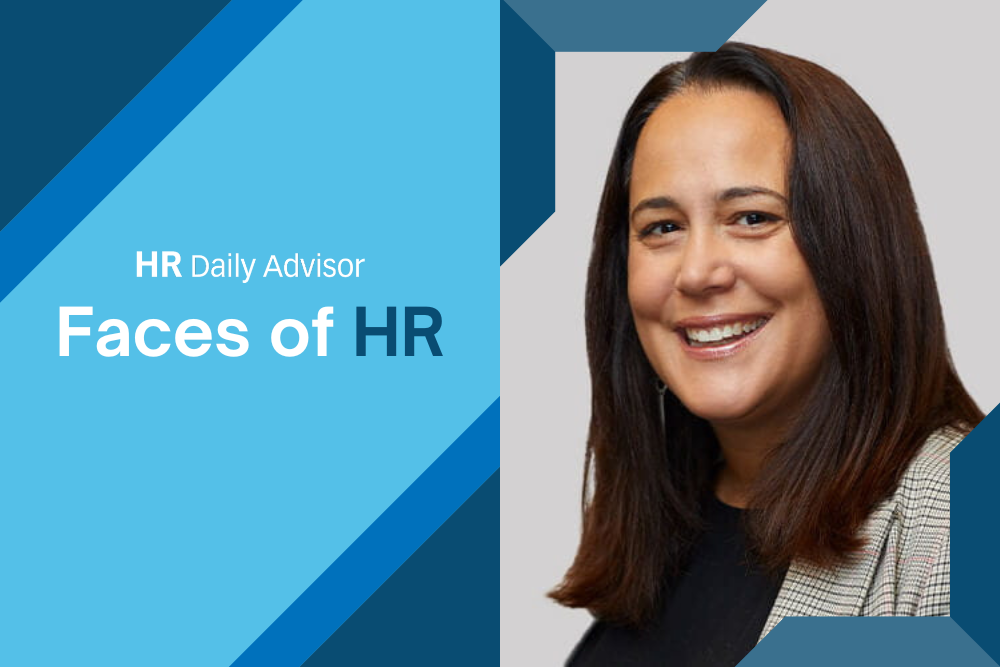
In our latest Faces, meet Jessica Harrah.
Who is/was your biggest influence in the industry?
KinderCare itself has been one of my biggest influences, particularly the leaders and teams who built strong internal mobility and grew within the organization. Seeing so many people advance their careers internally has reinforced my belief in investing in talent from within and building leadership pipelines that reflect the organization’s mission.
What’s your best mistake and what did you learn from it?
I have a defining moment in my career: My husband has always been a huge supporter of my career, and around the time I moved into HR, I was deeply passionate about the work I was doing. One night, we were talking over dinner, and my husband said, “I love how you’re so passionate about work but I need you to have some of that back home.” What it did was take me on a full journey of what work/life integration meant and how to be fully present at work and present at home.
As my career has grown, I think about how to be present in all ways – at work, with my team, with my husband, as a parent, and with friends. It was a critical part of helping me figure out what integration looks like for myself and how to help others achieve it as well.
What’s your favorite part about working in the industry? What’s your least favorite part, and how would you change it?
My favorite part is the ability to support educators and working families in a very tangible way every day. We have about 40,000 teachers whose work directly enables children to learn and families to thrive, and that connection to impact is incredibly meaningful.
Rather than focusing on a “least favorite” part, I would say one of the ongoing challenges in the industry is ensuring the workforce feels consistently supported given the demands of the role. That’s why we continue to invest in things like listening to employees, wellbeing programs, and flexibility in how we design work so we can better meet people where they are.
It sounds like through your experience you really care about people, and you want to help them feel safe and comfortable, which is important in the industry. Please elaborate here.
That is absolutely at the core of what we do. About 95% of our teachers are women, many of whom are also parents, so creating an environment where they feel supported is essential. We focus heavily on wellbeing, everything from mental health support to practical, day-to-day practices like checking in with teachers throughout the day to ensure they have what they need.
We also think deeply about how benefits like child care discounts or access to high-quality care help employees feel confident that their own children are in a safe, nurturing environment. When employees feel that sense of security, they are better able to bring their “whole selves” to work.
How can company leaders make HR a value within their organization?
HR becomes most valuable when it is directly connected to business outcomes and employee experience. At KinderCare, we see this clearly. Our teachers are at the center of everything we do, and their ability to show up and deliver continuity of care directly drives organizational success.
Leaders can elevate HR by investing in listening systems, such as ongoing engagement surveys, and then actually acting on that feedback at every level of the organization. When employees see that their input shapes decisions, HR becomes a true driver of culture and performance rather than a support function.
Where do you see the industry heading in five years? Or are you seeing any current trends?
We’re seeing a continued shift in how employers think about child care as a core workforce benefit, not just a “nice to have.” Increasingly, organizations are exploring a range of models, from subsidies and discounts to on-site or near-site care, to support working parents more holistically.
We’re also seeing more flexibility in how people want to work, including part-time schedules and split shifts, as families rethink what balance looks like post-COVID. The industry is moving toward more personalized, flexible support systems that meet employees where they are.
What are you most proud of?
One of the things I’m most proud of is the transformation of our employee engagement culture; something that’s been recognized with 10 consecutive Gallup Exceptional Workplace Award wins. When we began our partnership with Gallup, we had one actively disengaged employee for every actively engaged employee. Today, that has shifted to one actively disengaged employee for every 20 actively engaged employees. That change reflects a real cultural shift. You can feel it in the energy of our teams and in how aligned people are around our mission.
Do you have any advice for people entering the profession?
Be open to growth within your organization and take advantage of opportunities to move across functions or roles. One of the strengths of KinderCare is how many leaders have grown up within the company, and that kind of internal mobility is powerful for building both your career and your understanding of the business.