



WANTED: Innovative, forward-thinking change-maker who can see the big picture while delivering measurable, bottom-line results. The ideal candidate will be adaptable and agile, with the ability to identify and develop budding talent.
This may sound like a pipe dream, but it’s what employers are looking for in leaders.
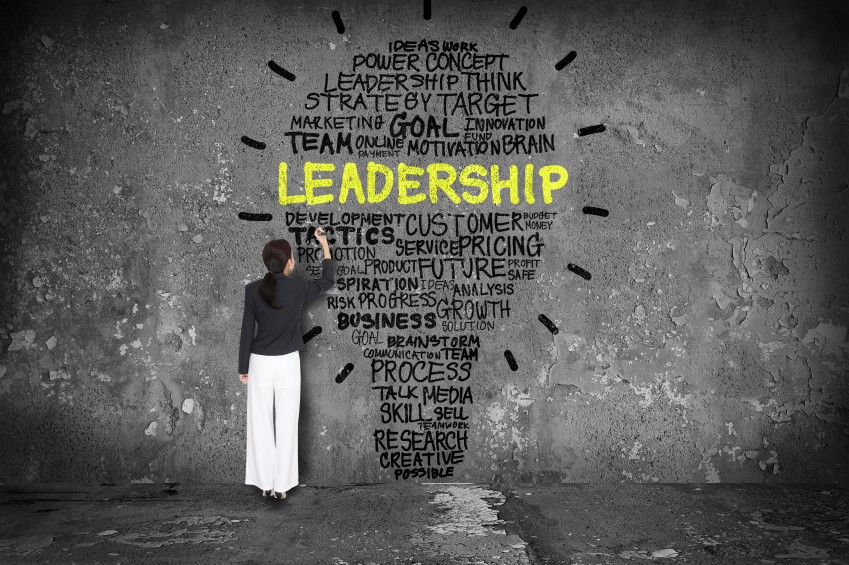
Unfortunately, such leaders are in short supply, and their lack of critical thinking and business skills is hindering growth at America’s largest companies, according to a 2024 The State of the Workforce Skills Gap report released by online learning platform Springboard.
Springboard joined a chorus of organizations sounding the alarm about the need for visionaries during a time of unprecedented change. In fact, leadership consistently ranks among the most in-demand skills by LinkedIn. This is echoed by a study from The World Economic Forum, which cites analytical thinking as the most sought-after core skill in 2025, with seven of 10 employers considering it essential.
Deloitte notes that it’s not only about having leaders with stellar business skills. They must also bring new perspectives and exceptional personal and interpersonal skills to the workplace.
It begs the questions: How do you find leaders with strategic thinking abilities and ensure they can do the job?
A Widening Leadership Skills Gap
Before delving into the answers, it’s important to understand how we got here.
Part of the issue is lack of time. Many leaders are so immersed in the tactical aspects of their work that they have few hours left in the day to develop broader, long-term plans.
Compounding the problem is that business is evolving at a breakneck speed, thanks largely to AI and other technological advances. In this constantly changing environment, leaders must be nimble and able to bring their workforce along with them. In short, they must be able to navigate today’s challenges while successfully driving the organization into the future.
As a recruiting leader who matches top talent with the organizations that need it, I see a void that is even more fundamental.
Some individuals in leadership roles lack curiosity. Rather than taking a step back to ask questions, consider the “what-ifs” and identify the potential risks in each situation; they may simply rubber-stamp untested ideas.
Inadequate or no training, particularly for emerging leaders, is also an issue. So is a lack of time spent on the front lines. While some leaders are deeply embedded in the business, others are removed from day-to-day operations altogether. As such, they miss opportunities or fail to learn from mistakes in real time.
Hiring New Leaders
The leadership skills gap is real, and it manifests itself in a variety of ways, including ineffective decision-making, low productivity, staff burnout, and other issues. It is why finding leaders with the skills to do the job is so important. Of course, it can be a tricky process because a person’s resume only tells part of a candidate’s story.
As a starting point, top management should conduct an audit to identify the company’s leadership gaps.
Next, when considering candidates, focus on quality than speed. Oftentimes, hiring leaders have an urgency to fill positions. Instead, they should be patient in finding candidates with depth. Doing so will pay dividends in getting a leader who can hit the ground running and solve critical issues.
Recruiters and hiring leaders know that finding the leader who is a perfect match for the job is easier said than done. That’s where the vetting process comes into play. I like to have candidates who answer the “how,” “what” and “why” of how they handle given situations.
It’s also important to ask probing questions such as:
- Tell me about unconventional methods you have used to solve broad organizational issues. What was the outcome and what would you do differently?
- How do you approach building a sustainable HR/People strategy and operational plans that can withstand changes when faced with limited resources? Provide specific examples.
- Can you provide an example of a time when you had to make a difficult financial decision that had a significant impact on the organization? How did you weigh the short-term and long-term consequences of your decision?
- Can you describe a situation where you successfully applied strategic thinking to a financial challenge? How did you identify the key drivers of the issue and develop a plan to address it?
These are conversation starters, but the real test is putting candidates into situations where they can demonstrate their critical thinking capabilities.
Cultivating Leadership Skills in Existing Team Members
Hiring is the first step to filling the leadership skills gap, but the work doesn’t stop there. While some leadership skills are inherent, others – such as communication, conflict management, and employee motivation – can be taught.
Savvy organizations will invest in their leaders through ongoing professional development, realizing that such an investment can yield significant returns for both the company’s bottom line and employee morale.
Some actionable tips:
- Consider using a tool such as The Enneagram or The Predictive Index to identify a leader’s personality characteristics and working styles.
- Enlist the help of a professional coach who can fortify an individual’s leadership skills.
- Think twice before reducing or eliminating professional development budgets, knowing that leaders are the backbone of the organization.
Leadership is a currency that can propel companies of all sizes and in all industries forward. The keys are hiring the right people and committing to their leaders’ continuous growth.
Sharon Grace is a practice leader at Duffy Group, a national recruiting company based in Phoenix, Ariz.