




Linda Nedelcoff started her career in the world of accounting, a foundation that gave her a sharp eye for data, discipline, and the cold, hard reality of how decisions impact business outcomes. But while she understood how numbers showed up on a balance sheet, she became increasingly fascinated by what happened when they didn’t—and the human reasons behind those gaps.
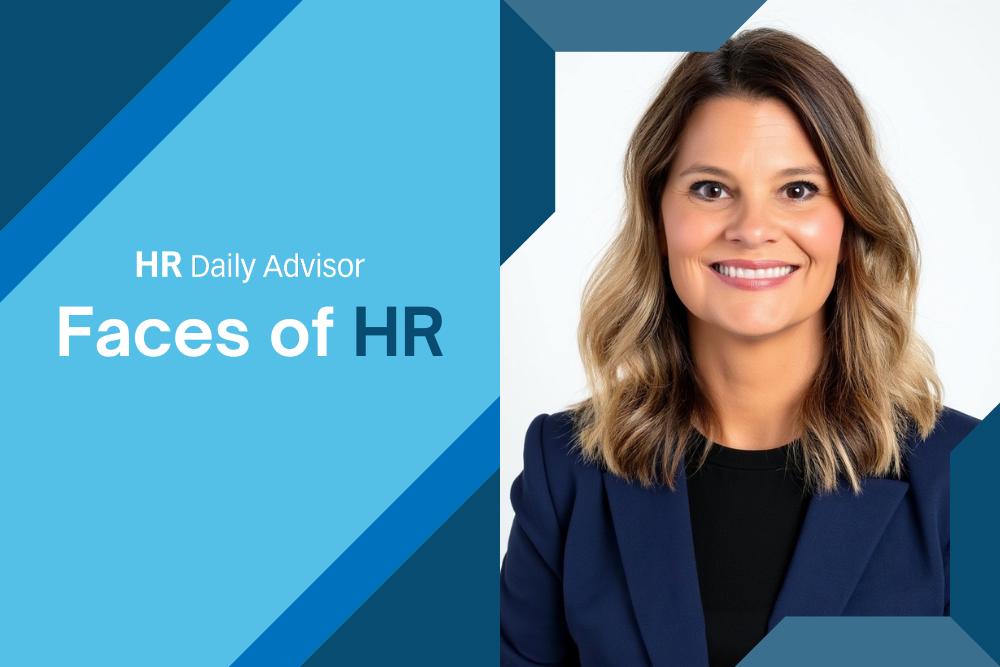
Today, as EVP, Strategy and Human Resources Officer at TruStage, Nedelcoff has transformed that curiosity into a career built at the intersection of performance and impact.
From Audits to Authenticity
For Nedelcoff, moving into HR wasn’t a pivot away from business strategy; it was a deeper dive into it. “I became increasingly drawn to the people side of the equation,” she explains. “How leaders make decisions, how teams perform under pressure, and what truly drives sustainable results.”
That analytical rigor is what makes her leadership style so distinct. By leading both Strategy and HR at TruStage, she ensures that the company’s people strategy is never an afterthought. Instead, it is the engine that drives the enterprise forward.
HR as a Performance Lever
Nedelcoff rejects the idea that HR is merely a “support function.” With research showing that only one in five employees globally is engaged at work, she sees a massive opportunity for HR to lead the way in productivity and profitability.
At TruStage, she focuses on three pillars to close that gap:
- The “Why”: Ensuring every employee understands the purpose behind their tasks.
- Clear Expectations: Holding teams to high standards while providing the trust they need to grow.
- Lived Reality: Translating the company’s mission of financial security into the actual daily experience of the workforce.
Leading into the Future
As the workplace evolves and AI changes the landscape of productivity, Nedelcoff remains passionate about designing organizations where technology and people thrive in partnership. Her mission is to ensure that as we automate the routine, we double down on the things machines can’t replicate: judgment, creativity, and ethics.
“At TruStage, people sit at the core of our purpose,” Nedelcoff says. In her world, when people are empowered to grow and held accountable to a clear vision, the business results don’t just follow—they flourish.
“HR has a rare opportunity right now,” she added. “We’re not just shaping policies, we’re shaping how work happens, how leaders lead, and how organizations evolve. If we get it right, the impact extends far beyond the workplace.”
In our latest Faces, meet Linda Nedelcoff.
Who is or was your biggest influence in the industry?
I’ve been influenced less by one person and more by a collection of leaders I’ve worked with over time some inspiring, some difficult, and all formative in different ways. Early in my career, I sought mentors who could give me a playbook. Over time, I realized the most meaningful learning happened when my assumptions were challenged. Transformative learning requires perspective-taking—the willingness to examine our own viewpoints and learn from others. That kind of growth is only possible in diverse and inclusive environments where different lived experiences are valued. The leaders who’ve influenced me most operate with both clarity and courage—grounded in data, open to challenge, and intentional about the human impact of their decisions.
What’s your best mistake, and what did you learn from it?
Early in my leadership journey, I believed there was a single “right” way to lead and that being consistent meant showing up the same way for everyone. I learned quickly that this mindset held me back more than it helped. In trying to get everything exactly right, I missed opportunities for creativity, growth, and real progress both for myself and for the people around me. That experience taught me something I still come back to: when you’re not winning, you’re learning, and progress matters far more than perfection.
That lesson fundamentally changed how I think about leadership. For me, transformational leadership isn’t about having all the answers, it’s about helping people see their work as meaningful, aligned to shared values, and connected to their own growth, while still delivering strong business results. What I’ve come to believe is that consistency in values matters much more than consistency in style. When leaders stay grounded in what they stand for, they can meet people where they are, adapt their approach, and create the conditions for teams to do their best work.
What’s your favorite—and least favorite—part of working in HR?
My favorite part is the impact. When HR is done well, you can feel it long before you see it in the numbers. It shows up in how teams work together, how leaders make decisions, and how organizations adapt and grow over time. At TruStage, caring for people isn’t a soft idea it’s a strategic one. When employees feel connected to purpose and trusted to do their best work, they show up differently for one another and for our customers. That kind of environment doesn’t happen by accident, and being part of shaping it is incredibly meaningful to me.
My least favorite part is when HR gets reduced to transactions or compliance alone. Those things matter, and they’re important, but they’re not the whole story. The real opportunity and the real responsibility is moving beyond a purely transactional model to a transformational one. That’s when HR acts as a strategic architect, helping design how work gets done, how leaders lead, and how organizations perform at their best.
It sounds like you really care about people—can you elaborate?
I do care deeply about people and our communities – but not in a way that lowers expectations. Caring for people means creating the conditions where they can thrive. It’s about clarity, accountability, belonging, and growth. People don’t do their best work in ambiguity; they perform when expectations are clear and their work connects to something meaningful- which is relevant across multiple generations. At TruStage, our mission is grounded in empathy and understanding real human needs. Translating that same emotional commitment into the workforce experience is where HR’s power lies – and where I’m most passionate.
How can HR most effectively demonstrate its value to the leadership team?
It starts with speaking the language of the business and being thoughtful about how we use data. Data is incredibly important, but I don’t believe it should replace human judgment. At its best, data helps inform better decisions, ask smarter questions, and connect people strategies to real business outcomes. Especially as AI continues to accelerate, the role of human oversight, ethical grounding, and critical thinking becomes even more essential.
HR demonstrates its value when it helps leaders see the full picture how talent decisions affect performance, culture, and long‑term sustainability. That means using data to create insight, not just reports, and pairing those insights with context, experience, and care for the people involved. Ultimately, HR adds the most value when it connects people decisions to business results in a way that is thoughtful, fair, and built to last. When leaders trust HR to balance rigor with humanity, that’s when the function truly earns its seat at the table.
Where do you see the industry heading in the next five years?
I think HR is at a real inflection point, especially in the insurance industry. Insurers are navigating rapidly changing customer expectations, affordability pressures, and an increasing demand for trust and relevance. Customers and middle‑market businesses want experiences that feel more personal and seamless. Insurance is becoming less about a policy and more about a promise – being present before, during, and after moments that matter.
As insurance becomes more embedded in people’s lives and business ecosystems, HR plays a critical role in making sure our workforce can deliver trust, empathy, and innovation at every touchpoint. That shift has significant workforce implications.
As AI continues to automate more routine work across underwriting, claims, and service, the human skills that matter most – judgment, empathy, creativity, and ethical decision‑making – become even more important. The future of HR isn’t about choosing between technology and people; it’s about intentionally designing work where both can thrive.
I believe the future of HR in insurance will be driven by innovation. The most effective teams will approach people challenges the same way they approach business challenges – starting with the problem to be solved, experimenting thoughtfully, and learning quickly. For middle‑market and B2B2C organizations, that means designing roles, capabilities, and cultures that are flexible, customer‑centric, and aligned with broader partner ecosystems. We can’t stay tied to how work has always been done. HR has a unique opportunity to help build a true test‑and‑learn culture – one that supports agility, strengthens trust with customers and partners, and ensures the workforce is ready to deliver on the industry’s evolving promise.
What are you most proud of?
I’m most proud of the teams I’ve built and the leaders I’ve had the privilege to work alongside as they’ve grown. Watching people gain confidence, stretch into new challenges, and step into roles they once weren’t sure they were ready for is incredibly meaningful to me. I’ve come to believe that legacy isn’t just about what you accomplish personally it’s about what continues after you. Seeing people succeed in ways they once doubted and knowing you played a small part in creating the conditions for that growth, is the most rewarding part of leadership. At the end of the day, results matter, but people are what they endure. Being able to look back and see strong teams, capable leaders, and a culture that helped people grow that’s the impact I’m most proud of.
What advice do you have for people entering the profession?
Start with the business. Understand how the organization creates value and what it takes to win. Without that context, HR struggles to be truly impactful. Stay curious. Ask good questions. Be willing to have your assumptions challenged – and take roles that stretch you beyond traditional boundaries.