




From the trading floors of JPMorgan to the cutting edge of biotech at Moderna, Annie Drapeau has spent three decades proving that the secret to business performance isn’t just in the numbers—it’s in the people. Now, as the CHRO of Ascend Learning, a healthcare and learning technology company, she’s using her unique background in finance and strategy to build a culture where trust is the ultimate competitive advantage.
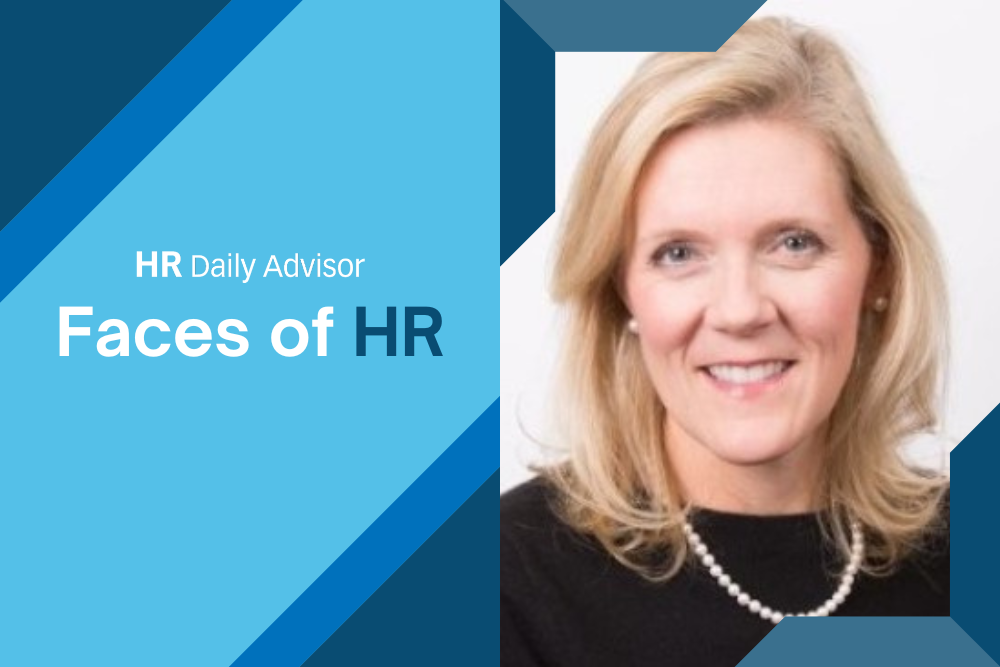
For many HR leaders, the path to the C-suite is linear. For Drapeau, it was a strategic pivot that changed everything. With a resume that reads like a masterclass in corporate evolution—spanning IPO preparations, CEO transitions, and massive international expansions—Drapeau brings a rare “dual-lens” perspective to Ascend Learning. She doesn’t just see HR through the eyes of a people leader; she sees it through the eyes of a strategist and financier.
The Power of the Pivot
Drapeau didn’t start her career in HR. She spent her first decade in finance and strategy roles at giants like JPMorgan and PepsiCo. It was there, working within organizations that were ahead of their time in talent investment, that she saw a pattern: the most successful companies weren’t just the ones with the best products, but the ones with the strongest talent strategies.
The turning point came when a mentor saw something in her that she hadn’t yet seen in herself. “A previous boss recognized this passion and encouraged me to take a rotation in a senior HR role,” Drapeau recalls. “At the time, it felt like a stretch… but his confidence helped uncover strengths I hadn’t fully seen.” That single rotation fundamentally shifted her trajectory, leading her to Chief People Officer roles at high-growth companies like Toast and Moderna.
Building a Foundation of Trust
Drapeau is more than just a practitioner; she is a student of organizational health. Her deep belief in the power of trust led her to conduct extensive research, eventually co-authoring the book The Trusted Leader and contributing to the Harvard Business Review.
At Ascend Learning, she is putting those theories into practice. By aligning people strategies with enterprise goals, she ensures that every employee is empowered to do exceptional work. Her draw to Ascend was simple: a mission-driven purpose. By enabling the success of healthcare workers, Drapeau and her team are contributing to a cause that resonates far beyond the office walls.
A Legacy of Giving Back
Outside of her corporate responsibilities, Drapeau is deeply committed to governance and mentorship. Whether she is serving as the chair of the board of trustees at Bucknell University or helping the Posse Foundation, she remains dedicated to fostering the next generation of leaders.
In Drapeau’s world, leadership isn’t just about managing a workforce—it’s about building an environment where trust is the baseline and growth is the inevitable result.
In our latest Faces, meet Annie Drapeau.
Who is/was your biggest influence in the industry?
I’ve been lucky to have worked alongside and been inspired by so many mentors and role models. Two in particular stand out.
One was Rob Galford, who was my boss when I took on my first HR leadership role. He is the most gifted coach I’ve ever met, and he taught me about the importance of building trust in organizations. We went on to collaborate on research and writing on that topic.
And the other is my dad. I worked for my dad every summer through high school and college, and he taught me about risk taking, treating everyone with respect, and that work should be fun.
What’s your best mistake and what did you learn from it?
One of my most formative “best mistakes” happened early in my leadership journey, when I was tagged as an insufferable micromanager. At the time, it was really a coping mechanism for imposter syndrome – if I stayed deep in the weeds, I felt like I was proving my value. That mindset was challenged when I prepared for my first parental leave after my daughter was born. Stepping away forced me to confront something unexpected: my team was doing great without me. In fact, they were thriving.
That experience fundamentally reshaped how I think about leadership. I realized it’s not about being at the center of everything; it’s about creating conditions for others to succeed. When you give people space to think, take risks, and build confidence, they rise to the occasion. Since then, I’ve tried to lead with that lesson in mind: surround yourself with people who are better than you, support and challenge them, and then get out of their way so they can truly soar.
What’s your favorite part about working in the industry? What’s your least favorite part, and how would you change it?
Honestly, my favorite part of being in the HR space is being a part of people’s journeys – helping them grow and knowing I played even a small role in their success.
My least favorite part is the never-ending debate around performance rating scales, and the fact that most people still dread formal performance reviews. I am still determined to design practices and processes that inspire.
It sounds like through your experience, you really care about people, and you want to help them feel safe and comfortable, which is important in the industry. Please elaborate here.
At Ascend Learning, we genuinely believe the most important role of a leader is to make the people around them better and that starts with truly knowing them. Not just their performance metrics, but what energizes them, how they receive feedback, what they are working toward. When people feel seen and understood, inspired and motivated – they show up differently. So yes, I care deeply about this and I work hard to make sure that care is reflected in how we lead across the organization. We expect managers to celebrate learning, champion growth and create the kind of work experience where people can take risks and thrive.
How can HR most effectively demonstrate its value to the leadership team?
I see HR’s value in how we ensure the organization has the talent and capabilities needed to deliver on its strategy. That starts with hiring people who are deeply curious and motivated by impact and taking the time to understand their aspirations. From there, it’s about consistently mapping long-term organizational goals to our talent strategies, so we’re building the right capabilities over time. I believe in being transparent about what people need to demonstrate and deliver, so expectations are clear and aligned with where the organization is headed.
Where do you see the industry heading in five years? Or are you seeing any current trends?
Our industry is changing rapidly, particularly with the impact of technology and AI. More and more, HR will be focused on designing work. With AI reshaping roles and skills, HR’s mandate will be to redesign jobs, accelerate skill building, and ensure technology is used in ways that build trust and unlock human potential.
What are you most proud of?
I am incredibly proud that so many people who have been on my teams over the years are now in CHRO roles and doing incredibly well. I am also proud that I have saved space for the portfolio of passions that fuel me – my family, my friends, and my non-profit work.
Do you have any advice for people entering the profession?
I have a few pieces of advice:
- The best leaders know how to lead people who are in jobs they themselves don’t know how to do. That means you should hire people better than you and find ways to give leaders in your organizations the opportunities to lead people with skills and experiences different from their own. So the leaders’ focus less on delegation and micromanagement, and more on smart questions and enablement.
- Invest in really knowing your people – what excites them, what drains them, their aspirations and their values.
- Encourage risk-taking, failure (with learning and correction) and vulnerability.