



Hiring teams reviewing the spring surge of recent graduate applications are facing an unprecedented challenge: AI-powered fake candidates. Fraudulent applicants are increasingly blending into talent pipelines using tailored, AI-generated resumes, proxy interviewers, and synthetic identities. Combined with high application volumes and remote hiring, these bad actors are becoming much harder to catch early in the process.
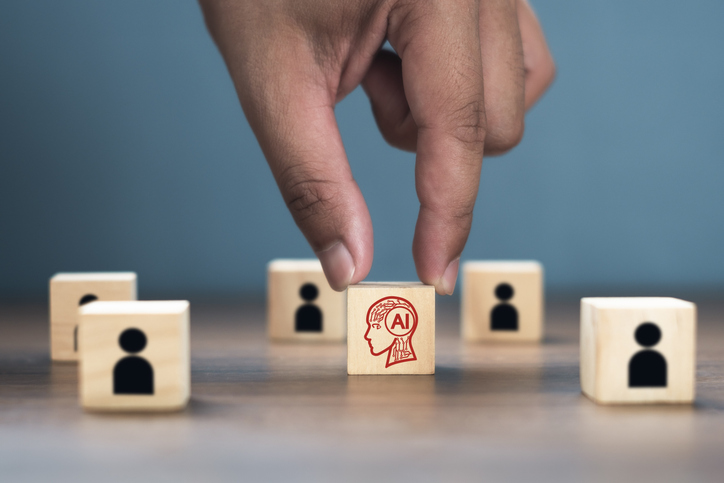
The threat is accelerating rapidly. Experts project that by 2028, one in four candidate profiles globally could be fake, forcing companies to rethink how they verify identity during hiring.
To understand how teams can detect fraud without slowing down the hiring process, we sat down with Donna Fowler, SVP of Global People & Talent at SEON. She shares how fake candidates exploit hiring cycles, the subtle tactics they use to bypass screening, and actionable solutions for HR professionals to protect their businesses.
Spotting the Inconsistencies Bots Miss
There is no single red flag that gives away an AI-generated resume, and one polished application on its own isn’t proof of anything. However, when you take a step back and look across your full applicant pool, patterns start to show up pretty quickly.
The Red Flags to Watch For:
- Coordinated Batches: A cluster of applications arriving within minutes of each other.
- Identical Footprints: Formatting and language across several different submissions that are almost identical.
- Digital Mismatches: A resume that tells one story while the candidate’s LinkedIn profile—or the timing of when their accounts were created—tells a completely different one.
These campaigns are designed to flood your pipeline so that at least one bad actor makes it through looking like a strong, legitimate candidate. Small inconsistencies are easy to miss if you are only looking at materials one at a time, but when you see several of them together, the picture gets a lot clearer.
“One of the most common giveaways is content that reads well on the surface but says little,” Fowler explains. “The writing is clean, but there are no specific numbers, no real examples and no personality. It feels like it could have been submitted to any company for any role. This is usually a sign it was generated rather than written.”
Defending Against “Proxy” and “Deepfake” Candidates
While deepfakes are designed to convincingly mimic a real person’s face and voice in real time, the real goal shouldn’t be getting better at spotting them during a live interview. By the time someone sits across from a recruiter, they are already too close to gaining access to your systems and sensitive information. The stakes go up at that stage, making early detection vital.
Actionable Interview Safeguards:
- Run Background Verifications Early: Implement data checks the moment an application is submitted so well-organized campaigns with fabricated identities are stopped before they ever reach a recruiter.
- Look for Sensory Glitches: During video screenings, watch for subtle signs like facial movements that do not look quite right, audio that is slightly out of sync, or spoken answers that fail to match what the candidate put on paper.
“Catch these people before they ever get to the interview stage,” Fowler says. “The campaigns behind fake candidates are usually well-organized. They use fabricated identities, built-out profiles and multiple applications designed to look legitimate. If you have the right checks running from the moment someone applies, most of these bad actors won’t make it far enough to sit across from a recruiter.”
Deploying Assessments Without Creating Bias
With fake resumes on the rise, some teams wonder if “blind” skills assessments or real-time work samples should become mandatory. However, making the process too heavy or time-consuming risks driving good candidates away, Fowler notes. Adding extra steps inconsistently or based on a gut feeling also risks introducing hiring bias.
The Solution
Keep the process smooth for the majority of applicants. Introduce additional steps, like a skills assessment or work sample, only when specific data signals suggest something about an application is off. For everyone else, the standard process should remain the baseline.
“They’re not mandatory across the board,” Fowler advises. “It’s more about knowing when to use them and when they’re not necessary. If your process starts to feel heavy or time-consuming, you’re going to lose good candidates, which is just the reality… The better approach is to keep the process smooth for the majority of applicants and only introduce additional steps when there’s a real reason to.”
Stopping Fraud in the Background
If your fraud prevention makes applying feel difficult, you will alienate high-quality talent. The best approach is running compliance and identity verification quietly behind the scenes, creating zero friction for the user. From the moment someone hits submit, your systems can analyze what device they are using, where they are connecting from, when they submitted, and whether their information matches their wider online presence.
For real applicants, the experience remains fast and easy. A closer look by a recruiter is reserved strictly for candidates who trigger multiple red flags—such as a resume matching other submissions word-for-word combined with a brand-new online profile and a mismatched location routing. This saves recruiting teams hours of wasted time before an offer ever goes out.
“The balance you want is fast and easy for real candidates, with a closer look reserved for the ones who actually warrant it. It also saves your recruiters a lot of wasted time, because you’re catching problems early instead of discovering them a few interviews in or after an offer has already gone out.”
The Ultimate AI Proofing: Real Conversation
At the end of the day, there is one “human-only” element of the hiring process that AI simply cannot fake: spontaneous, real-time conversation. A candidate can put together a polished resume, a strong online profile, and well-written responses. But maintaining a genuine, consistent, back-and-forth dialogue is incredibly difficult to fabricate. This is where you see true depth—how someone talks about their experience, whether their story holds together, and how it lines up with everything else you’ve seen from them.
“How someone talks about their experience, whether their story holds together and how it lines up with everything else you’ve seen from them. That’s also where cracks tend to appear. If parts of a candidate’s background have been fabricated, whether their work history, their portfolio or their credentials, it gets hard to keep that straight when someone is asking follow-up questions in real time.”
The Hidden Risk: Post-Hire Security
“What’s often overlooked is what happens after a fraudulent candidate gets hired. It’s not just a bad hire. That person now has real access to your internal systems. Companies have experienced situations where that leads to payroll being redirected, sensitive data being exposed or worse. The risk to the business is serious, and it goes well beyond wasted recruiting time.”
Ultimately, securing the pipeline protects the entire organization from day one. By running sophisticated checks quietly in the background, HR teams can successfully shut out bad actors while keeping the front door wide open for legitimate, high-quality talent. Catching these fraudulent attempts early ensures that access is only ever granted to real, verified professionals, making a secure hiring process a vital business imperative in the age of AI.