More Workplace Culture Predictions for 2030
In a previous post, we looked at a few workplace culture predictions you should be prepared for by the time 2030 rolls around.



Practical HR Tips, News & Advice. Updated Daily.
In a previous post, we looked at a few workplace culture predictions you should be prepared for by the time 2030 rolls around.

On Friday, February 15, 2019, a gunman named Gary Martin shot and killed five of his coworkers, wounded one coworker, and injured five police officers.
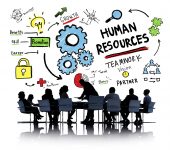
The people of an organization should now be considered its greatest asset, so experts in the modern-day workplace are looking to transform Human Resources (HR) departments into human capital management (HCM) departments, emphasizing the importance of their people.
Yesterday’s post covered the pros and cons of employee self-assessments, and today’s post will cover how to effectively implement them.

We’ve found that there are three common misconceptions people face when onboarding an artificial intelligence (AI) -powered tool. I’ve detailed those misconceptions below—along with how we help customers overcome them.

With a stated aim of providing clarification on how to determine employees’ regular rate of pay, the U.S. Department of Labor (DOL) has announced a new proposed rule updating what forms of payment employers can include and exclude in the “time and one-half” overtime pay calculation.

Modern-day employees claim they want a better work/life balance and more flexible work schedules; one such flexible schedule is a 4-day workweek, during which employees work 35 to 40 hours in 4 days instead of the traditional 5.
Science, technology, engineering, and math (STEM) education is becoming vital to workplaces powered by automation, artificial intelligence, machine learning, and advanced mobile and technology platforms. But should all new hires come pre-equipped with such STEM education or work experiences?
As technology continues to advance, so does the hiring process. More employers are turning away from old practices in favor of newer, digital initiatives that provide jobseekers with the experience they want and expect.
At the start of a new year, it’s common to make predictions about trends for the coming months. Predictions are based on emerging trends, sociopolitical and market factors, etc. Given that a new year isn’t usually that different from the previous year, these are often safe predictions.