There are dozens of details to take care of in the day-to-day operation of your department and your company. We give you case studies, news updates, best practices and training tips that keep your organization fully in compliance with ever-changing employment law, and you fully aware of emerging HR trends.
As we head into the heart of the winter storm season, it is inevitable that employers could face some severe snowstorms and blizzards in February. Hence, this is an excellent time to brush up on the wage and hour laws, which dictate whether you are required to pay salary or hourly wages to employees who are unable to get to work during a blizzard or severe snowstorm. Here is a timely refresher article on these issues.
Question: We terminated an employee for falsifying payroll records and receiving pay for shifts she did not work. Can we issue her a last paycheck for hours worked and then keep the money to apply to her theft of over $100,000?
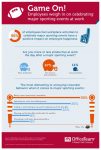
The Super Bowl is right around the corner. Heinz recently announced it’s giving its employees February 6 off, the day after the Super Bowl, which has started a petition to make the Monday after the Super Bowl a national holiday. But do major sporting events throw workers off their game—or make them happier and more […]
This article series addresses some of the most confusing real world problems surrounding the Family and Medical Leave Act (FMLA). In the last installment, we focused on managing leave duration and the limits that can and cannot be placed on intermittent and reduced schedule leave. Here we’ll focus on managing intermittent and reduced schedule leave […]
The Kentucky Court of Appeals recently upheld the denial of unemployment benefits to an employee who had exhausted his leave entitlement under the Family and Medical Leave Act (FMLA) and was unable to return to work. The court upheld the Kentucky Unemployment Insurance Commission’s (KUIC) determination that those circumstances constitute “quitting” employment without “good cause.”
By Bridget Miller Most employers are well aware that disability discrimination is illegal. But, some may not realize that many mental health issues are also covered by the Americans with Disabilities Act (ADA). Here are some tips on avoiding mental health discrimination from guest columnist Bridget Miller.
Under the Americans with Disabilities Act (ADA), an employee who is a qualified individual with a disability may not be subjected to discrimination or an adverse employment action on the basis of her disability. The ADA, however, does not prohibit an employer from requiring an employee to be able to perform the essential functions of her job with or without a reasonable accommodation.
Question: Is organ donation covered under FMLA? This would be for the donor, not the recipient. Would it make a difference if the donation was for a friend vs a FMLA covered family member (e.g., mother, father, spouse, child) ?
By Joan Farrell, JD In yesterday’s Advisor, BLR® Senior Legal Editor Joan Farrell, JD, explained some of the new guidance on mental health conditions released by the Equal Employment Opportunity Commission (EEOC). Today, Farrell has additional details on the matter.
President Donald Trump’s nomination of Judge Neil Gorsuch to the U.S. Supreme Court’s vacant seat may be good news for employers, according to employment law attorneys.