




Stacey Hoin didn’t take the traditional path to the top of the HR world. She actually started her career in a courtroom. As a corporate lawyer specializing in major business mergers and acquisitions, she learned early on how companies tick from a financial and structural level. But when she pivoted into labor and employment law, her focus shifted from paperwork to people.
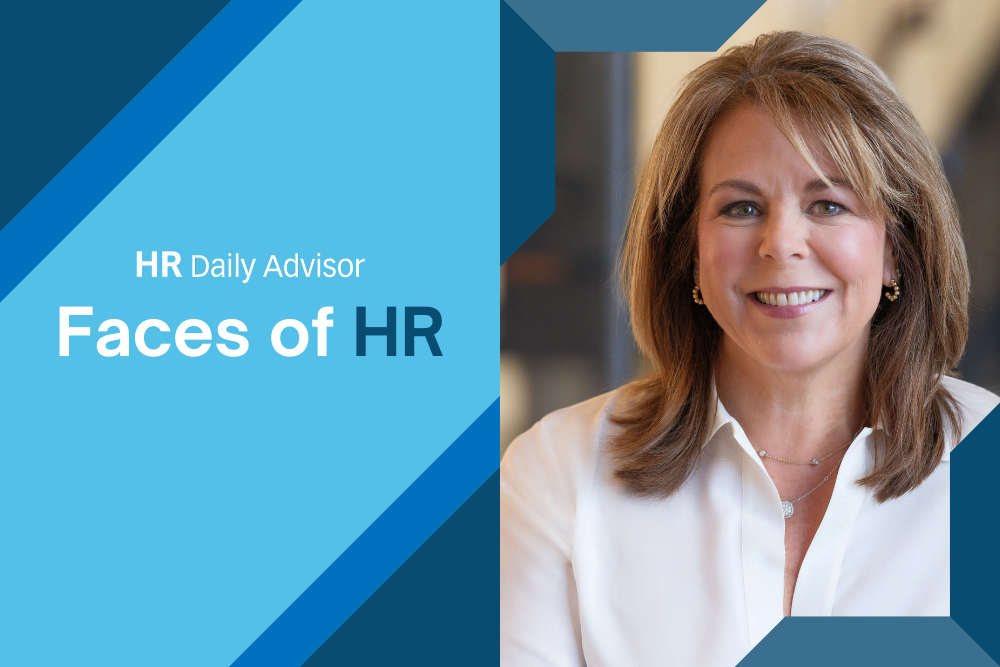
She got a front-row seat to how everyday leadership decisions, policies, and workplace culture can make or break a business. Drawn to the impact of the human element, she made the leap into HR—combining her sharp business instincts with a deep passion for organizational change.
That foundational journey led her through over 30 years at GE, where she mastered the art of driving long-term performance across various legal and HR roles. Then, in 2021, she stepped into her current role as Chief Human Resources Officer (CHRO) at Guardian, eager to help a legacy company completely transform its culture.
For Hoin, HR isn’t a backseat administrative function; it is a strategic driver of growth and resilience.
Today, she is focused on building a skills-forward, future-ready workforce while embedding a distinct purpose into the company’s fabric: inspiring total well-being across mind, body, and wallet. By fostering an environment grounded in accountability, empathy, and continuous learning, she is proving that when you empower people to do their best work, major business outcomes naturally follow.
In our latest Faces, meet Stacey Hoin.
Who is/was your biggest influence in the industry?
Rather than a single individual, I would point to a series of experiences that shaped how I lead. From a young age, and from my parents, I learned the importance of resilience, independence, and problem solving — lessons that have stayed with me personally and professionally.
My training as a lawyer also had a significant influence on me and my career. Law school teaches you how to identify risk, anticipate what’s coming next, and see around corners. It teaches you to identify the real issue and how to creatively solve some of the stickiest issues — skills that have proven invaluable in HR leadership. My time at GE further reinforced the importance of adaptability and change. It was an environment where transformation was constant, and success depended on understanding stakeholders, bringing people along, and translating strategy into action.
From a purely functional perspective, I have always been inspired by some of the names familiar to most of your readers, like Brene Brown, Simon Sinek and Patrick Lencioni. I’m always reading and often find inspiration in some of the less likely places, like Unapologetically Human by Crystal Fernando.
Together, those experiences shaped my belief that HR’s greatest impact comes from connecting people, culture, and business outcomes.
What’s your best mistake and what did you learn from it?
Earlier in my career, I underestimated how hard real change can be if you focus too much on the strategy and not enough on the people experiencing it. I learned that transformation is not something you can simply design and roll out. It requires listening, empathy, and a deep understanding of culture.
Those early learnings reinforced for me that sustainable business transformation only happens when you bring people along, clearly connect change to purpose, and create an environment where colleagues feel heard, supported, and invested. It’s a lesson that continues to shape how I lead and why I believe HR plays such a critical role in helping organizations evolve.
What’s your favorite part about working in the industry? What’s your least favorite part, and how would you change it?
What I enjoy most about working in HR is operating at the connection between people strategy and business strategy. HR has a unique vantage point – we see how decisions translate into leadership behaviors, the culture of the organization, and performance. When HR is working well, it is not simply supporting the business; it is helping shape how the organization evolves and grows.
That proximity also brings challenges to the role. HR leaders are constantly navigating complexity, competing priorities, and rapid change. One area I have focused on improving over time is pushing HR further upstream — moving from reaction to anticipation. That means getting very clear on priorities earlier, facilitating more direct conversations, and helping leaders think ahead. When we do that well, our impact is both more human and more strategic.
It sounds like through your experience you really care about people, and you want to help them feel safe and comfortable, which is important in the industry. Please elaborate here.
Caring for people starts with recognizing that work is deeply human. People do their best work when they feel supported, heard, and safe to show up as themselves. At Guardian, we have focused intentionally on grounding our organization in a clear purpose—to inspire well‑being—and reinforcing it through our values, behaviors, and benefits. When colleagues feel supported across mind, body, and wallet, they are better equipped to serve customers with empathy and make thoughtful decisions, particularly in moments that matter most.
How can HR most effectively demonstrate its value to the leadership team?
HR demonstrates its value by directly enabling business strategy. That means shaping culture, building the capabilities the organization needs for the future, and ensuring talent decisions support growth, resilience, and customer centricity.
The most effective HR teams connect purpose, values, and behaviors to measurable outcomes — such as engagement, retention, productivity, and readiness for change. They use data, listen closely to the organization, and translate people insights into actions that move the business forward. When HR does that consistently, its strategic value is clear.
Where do you see the industry heading in five years? Or are you seeing any current trends?
I see HR becoming even more tightly connected to Digital & Technology – and that partnership will only accelerate. Advances in AI and technology are reshaping how work gets done, what skills matter, and how people experience work.
No single function can prepare the workforce for this future alone. HR has a critical role to play as the convener, bringing together the business, technology, and people perspectives to translate strategy into workforce capability. When technology is used as an enabler of outcomes, not a standalone initiative, organizations are able to move smarter and faster.
What are you most proud of?
What I’m most proud of, without question, is the teams I’ve had the opportunity to lead and work alongside over the course of my career. Seeing people grow, take on bigger challenges, and step into leadership roles of their own is incredibly rewarding.
I’m especially proud of building teams that are curious, resilient, and deeply connected to the business – teams that aren’t afraid to challenge the status quo and help move the organization forward. When former team members succeed in new roles, or when current teams come together to navigate complexity and change, that’s the impact that stays with me. Ultimately, the strongest legacy any HR leader can leave is the people they’ve helped develop.
Do you have any advice for people entering the profession?
Stay curious, remain open to change, and never lose sight of the human impact of the work. The HR profession is evolving rapidly, and what worked in the past will not always work in the future. Early in your career, focus on building broad experiences, developing strong listening skills, and understanding the business as deeply as you understand people.
The most effective HR leaders connect talent, culture, and purpose to real business outcomes, while leading with empathy and integrity. If you keep learning and challenge your assumptions, you will grow with the profession.