




Editor’s note: In alignment with HRDA’s Compliance Week, Faces of HR features a chief revenue officer who manages risk across the workforce and encourages leaders to embrace cross-disciplinary thinking: HR, technology, analytics, and business strategy, which must all be interwoven in the future of work. Check out our other compliance-focused content: webinar, podcast, and article to celebrate Compliance Week!
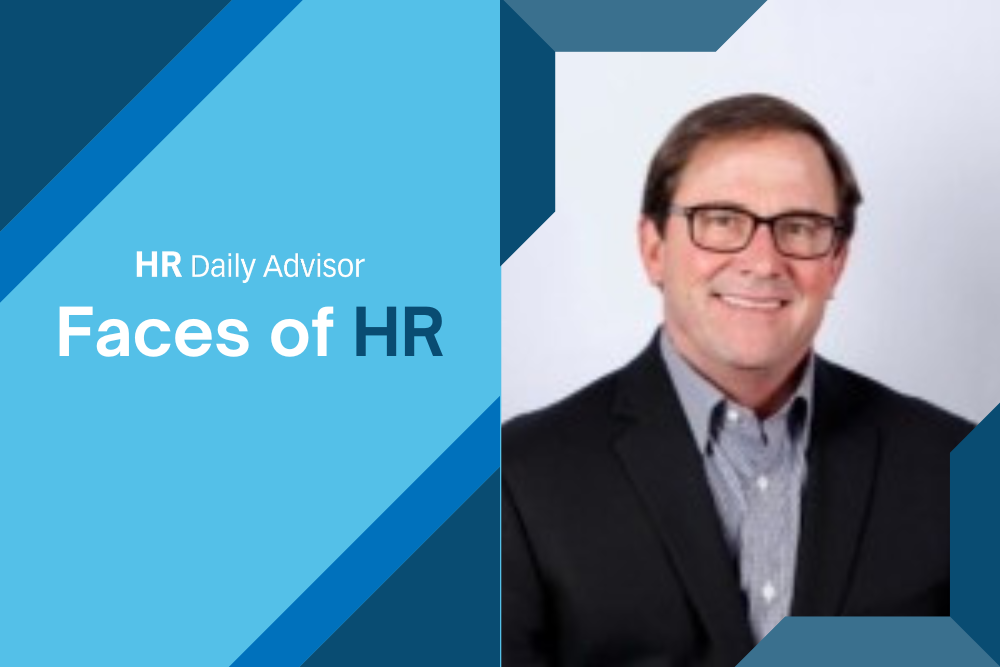
For Jim Seaman, Chief Revenue Officer at CoSo Cloud, compliance isn’t just a legal requirement—it’s the backbone of a resilient business. As we navigate 2026, Seaman shares how he’s helping organizations stay ahead of the curve in a world that never stops moving.
The Big Challenge: Risk in a Borderless World
The biggest hurdle this year? Managing risk across a workforce that is more widespread than ever. With team members working from everywhere and regulations changing at lightning speed, Seaman points out that “knowing” the rules isn’t enough anymore.
“The real challenge isn’t just awareness,” Seaman explains. “It’s about consistency and accountability at scale.” When compliance is treated as a once-a-year chore or scattered across different apps, hidden risks start to pile up quietly.
The Strategy: Making Compliance “Always-On”
To fix this, Seaman and his team are weaving compliance directly into the DNA of the business. Instead of looking backward at what went wrong, they are building systems that offer real-time insights.
By connecting training data with core business systems, CoSo Cloud helps companies move toward a “continuous compliance” model. This proactive approach gives leaders the confidence to grow and hit their big-picture goals without worrying about what’s falling through the cracks.
Looking Ahead: A New Era for HR
Seaman believes we’ve reached a turning point. In an era of hybrid work and constant change, compliance and learning have become the secret weapons of successful companies.
“HR leaders have a unique opportunity right now,” says Seaman. “By stepping into this role thoughtfully, they aren’t just managing employees—they are shaping how their organizations compete and adapt in a brand-new era of leadership.”
In our latest Faces, meet Jim Seaman.
How did you get your start in the field?
My career began over 30 years ago with high-growth technology companies working with commercial enterprises and public-sector organizations bringing complex solutions to market always with the customer’s business objectives at the core. Over time, I realized that learning and workforce enablement are more critical to organizational success than the technology itself, especially in regulated environments where compliance, security, skill readiness, and operational resilience are paramount. That realization led me to CoSo Cloud ten years ago, where the focus is not only on delivering secure learning platforms but also ensuring they meaningfully improve people, teams, and desired business outcomes.
Who is/was your biggest influence in the industry?
The leaders I’ve admired most are those who believed that continuous learning and improvement are strategic enablers benefitting their companies, their customers, and their customer’s employees. Whether it was executives in cyber security, internet solutions, or eLearning, the most impactful influences were those who cared deeply about improving the customers’ needs versus their own personal objectives. This continues to shape how I drive my organization’s strategies today.
What’s your best mistake and what did you learn from it?
Early in my career, I underestimated how the customer’s needs must come first. One can build amazing tools with a bunch of cool features and functions, but if they aren’t making a positive business difference, they’ll be underutilized and over-valued (and probably won’t renew). That experience taught me to shift focus to truly understand how people interact with technology, what gaps remain, and how to tie learning to real world success metrics. It’s less about sales results and more about impact. If one presents a solution that improves their constituent’s business, the personal objectives will follow most of the time.
What’s your favorite part about working in the industry? Least favorite part, and how would you change it?
My favorite part is enabling leaders to reimagine workforce readiness as a strategic advantage. When learning and state of the art training are framed as performance accelerators, not boxes to check, organizations flourish. The least favorite part is seeing training treated as a siloed obligation. I’d like to see more organizations adopt continuous improvement models, where proactive readiness trumps reactive remediation.
You care about helping people feel safe and comfortable. Please elaborate.
True training, security and compliance isn’t about policing, it’s about enabling. When people understand what’s expected of them and have access to clear, relevant learning, they feel confident and empowered. That confidence builds psychological safety and reduces risk. Our company’s goal is to help organizations design learning systems that make it easy to do the right thing, rather than punishing people for what they don’t know.
How can HR most effectively demonstrate its value to the leadership team?
HR shows value by linking and driving people towards their organization’s strategic objectives. Compliance, training, and workforce readiness impacts not only risk mitigation but retention, performance, and customer trust. When HR leaders speak the language of business outcomes, connecting learning investments to operational metrics, the conversation moves from budgeting to strategic planning.
Where do you see the industry heading in five years? What trends are you seeing?
The industry is clearly moving toward continuous, integrated, intelligence-driven learning ecosystems. We’re transitioning from static, annual compliance modules to dynamic, role-based learning that’s tied to business needs and risk signals. AI and automation will increasingly personalize learning paths, while deeper integrations across HR systems will drive richer insights. Extended workforce populations, including contractors and partners, will demand solutions that scale securely and intelligently. Those who adapt will turn compliance into a measurable performance driver.
What are you most proud of?
For the last ten years I’m proud of helping organizations evolve from fragmented, reactive training models to strategic, people-centric programs that push the business forward. When leaders embrace learning and compliance as mission critical, supported by modern systems and real data, the impact on culture, performance, and risk profile are dramatic.
Do you have any advice for people entering the profession?
Embrace cross-disciplinary thinking: HR, technology, analytics, and business strategy are all interwoven in the future of work. The most impactful leaders understand data, human behavior, and systemic alignment. Stay curious, challenge assumptions, and always ask how your work elevates both people and outcomes.